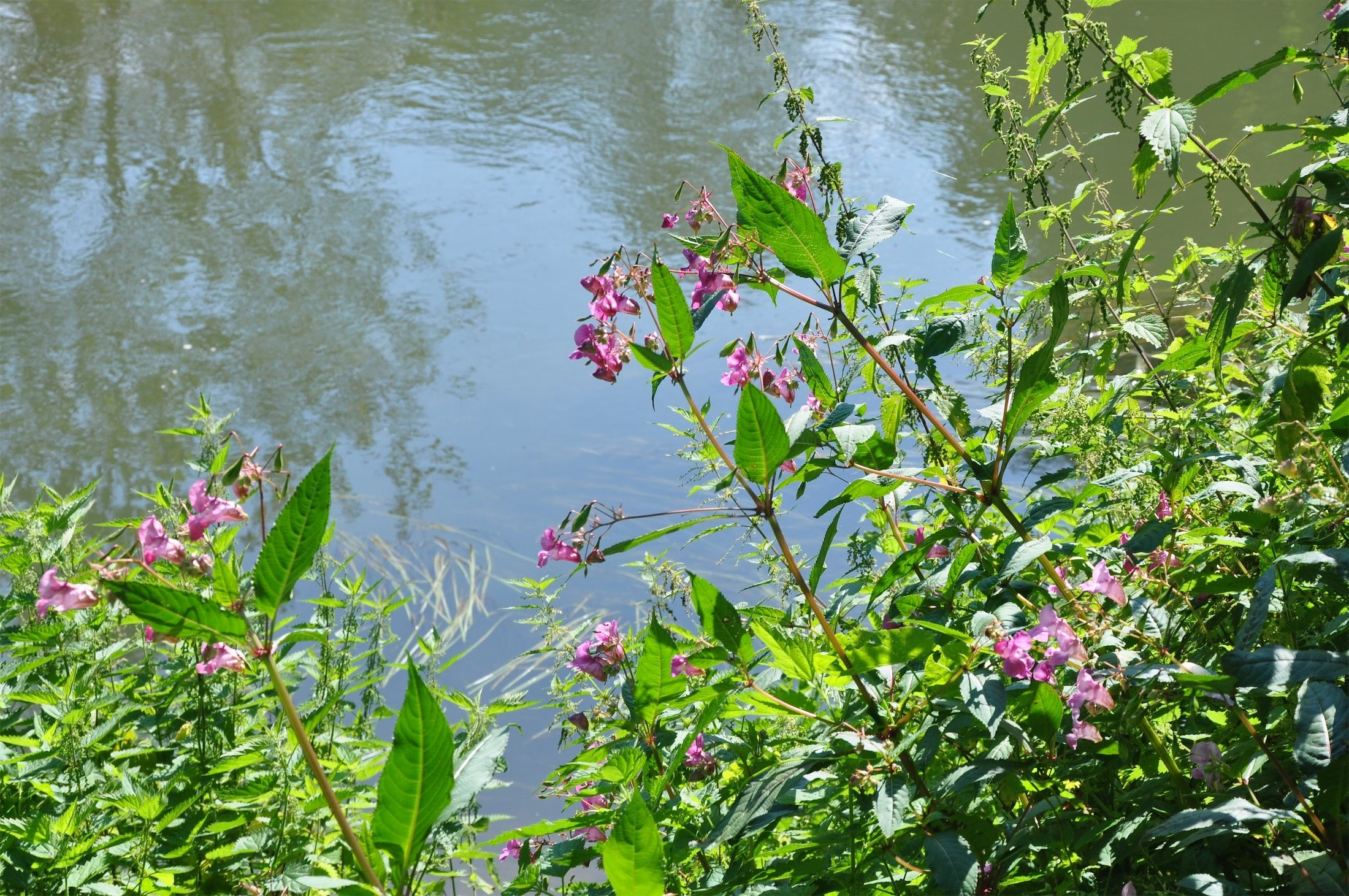
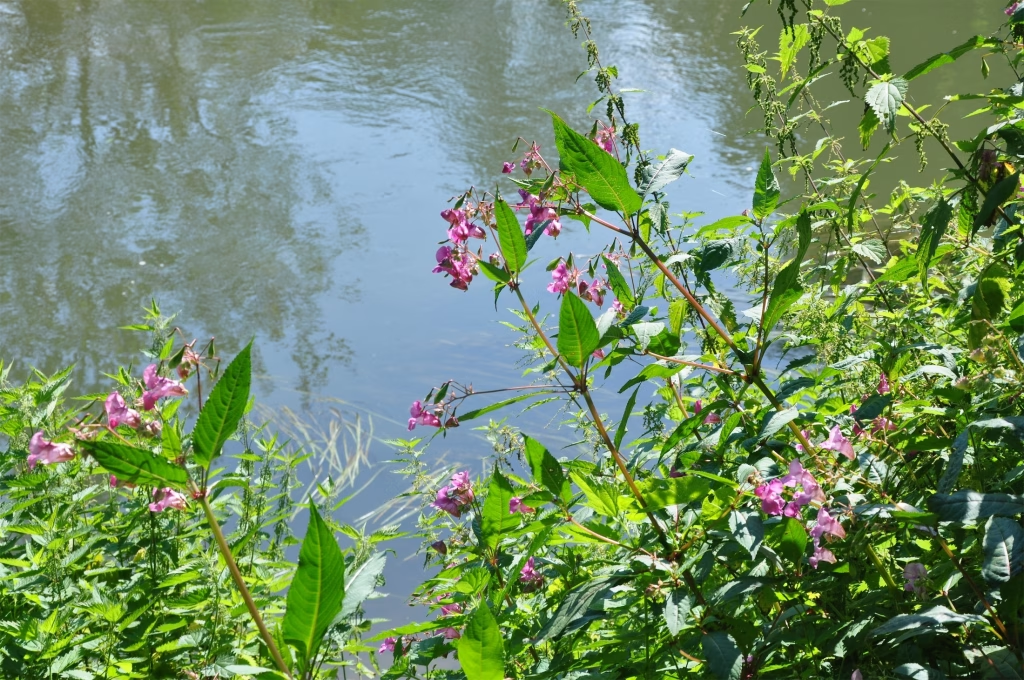
Over the Summer of 2026, Friends of the South Downs will be joining forces with other local organisations and groups to tackle the infestation of invasive Himalayan Balsam along the River Stor.
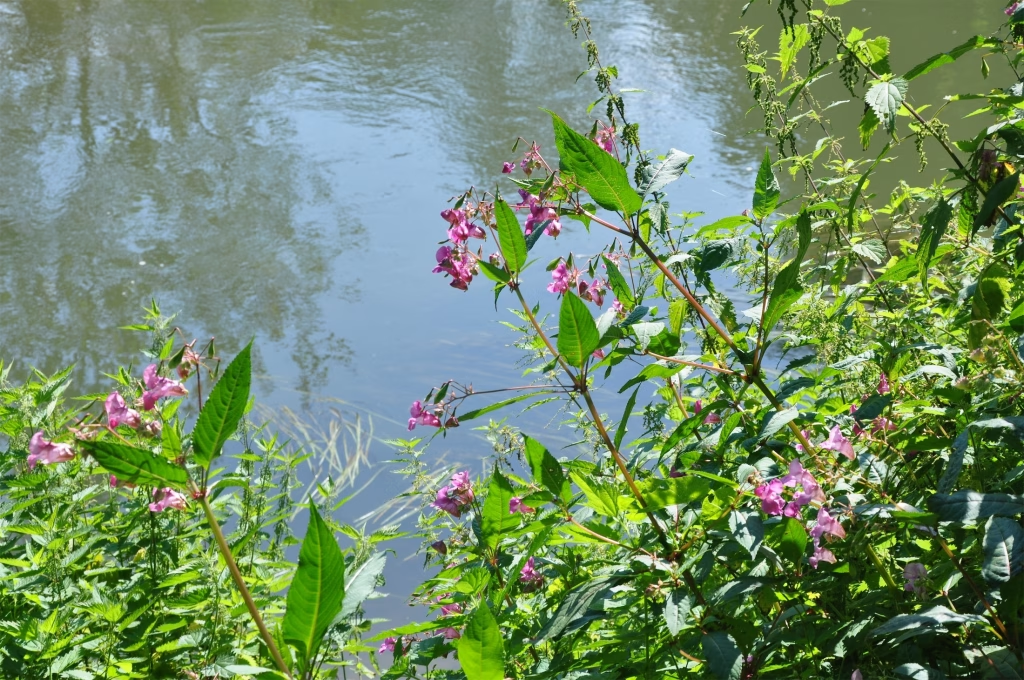
Focusing our efforts largely on a site near Storrington that suffers from a large infestation of the Invasive Non-Native Species, the groups will be clearing patches that affect the banks of the River Stor, taking a catchment-based approach to maximise the effect of the clearance efforts.
Why is Himalayan Balsam a problem?
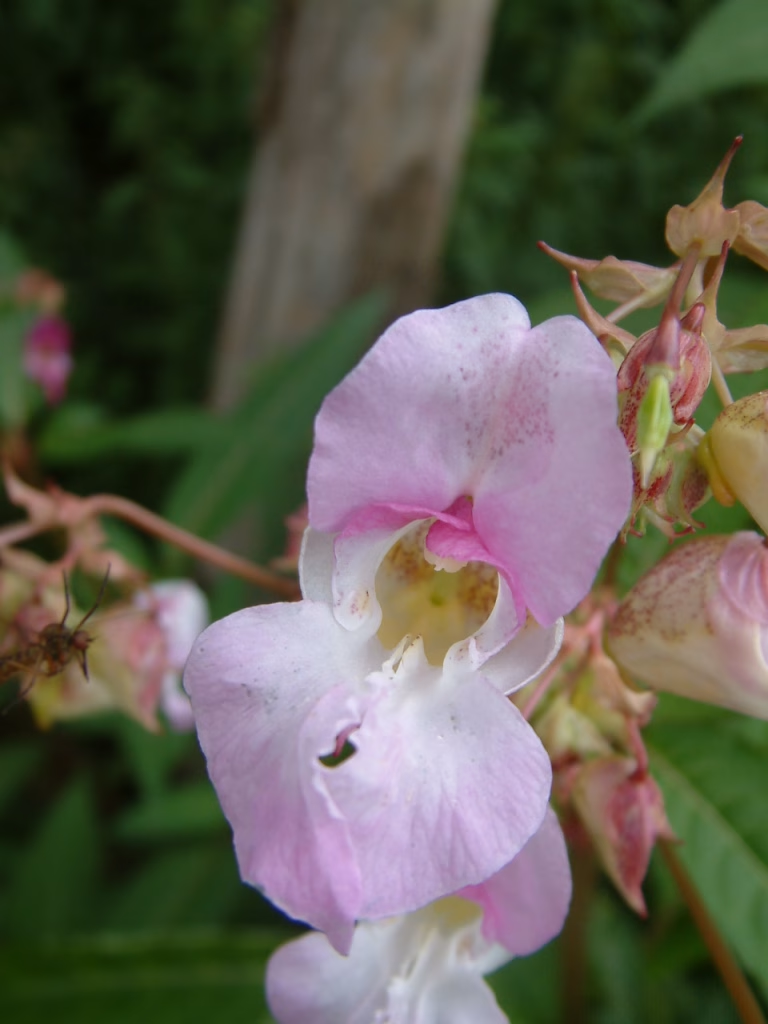
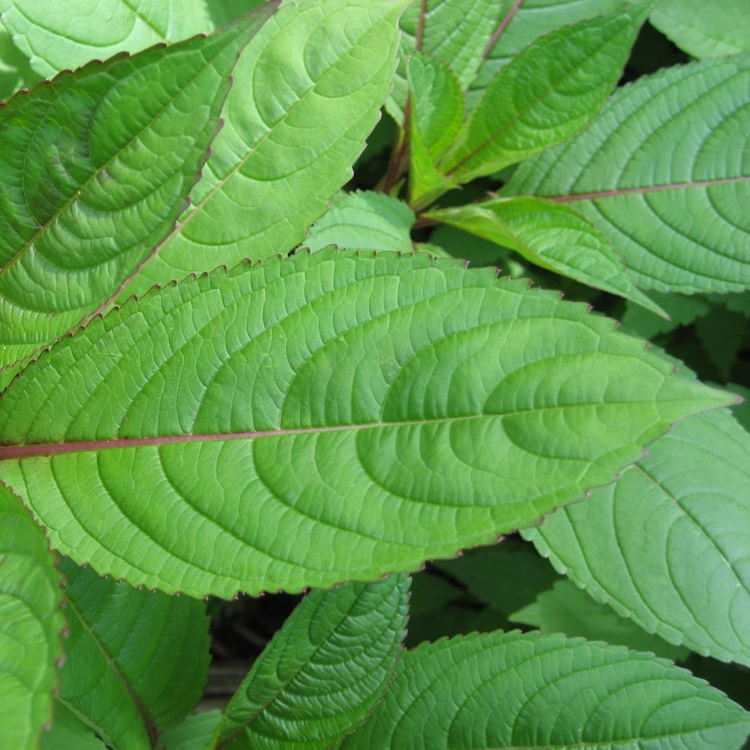
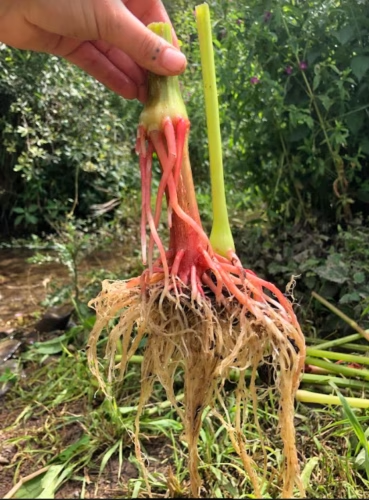
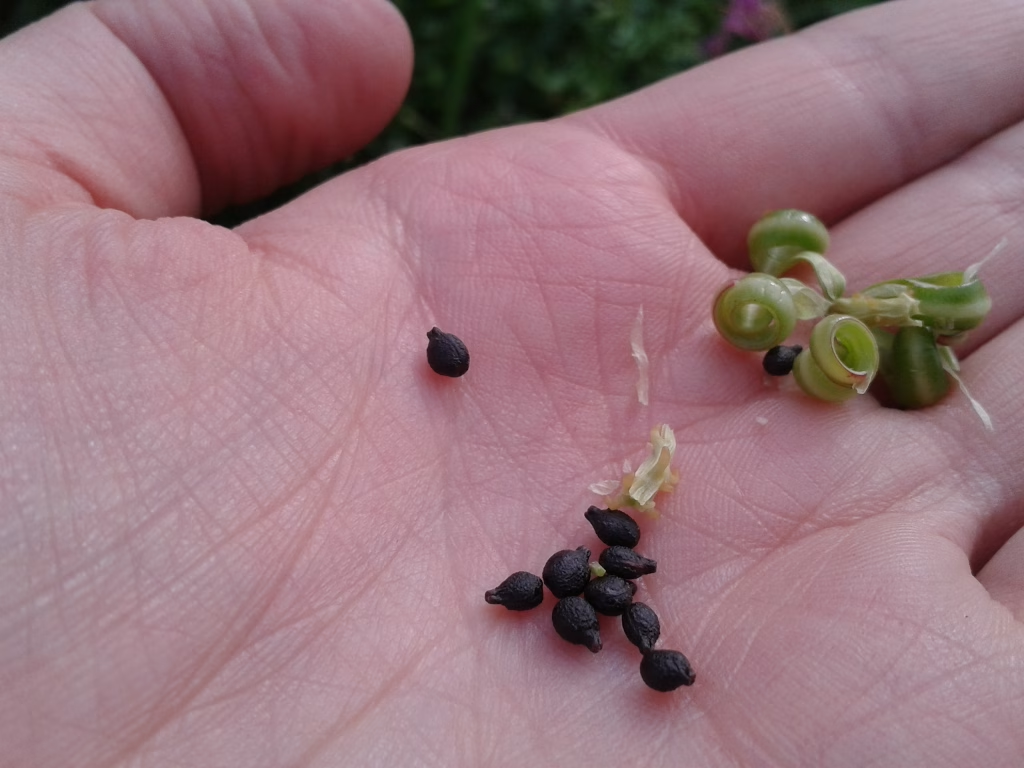
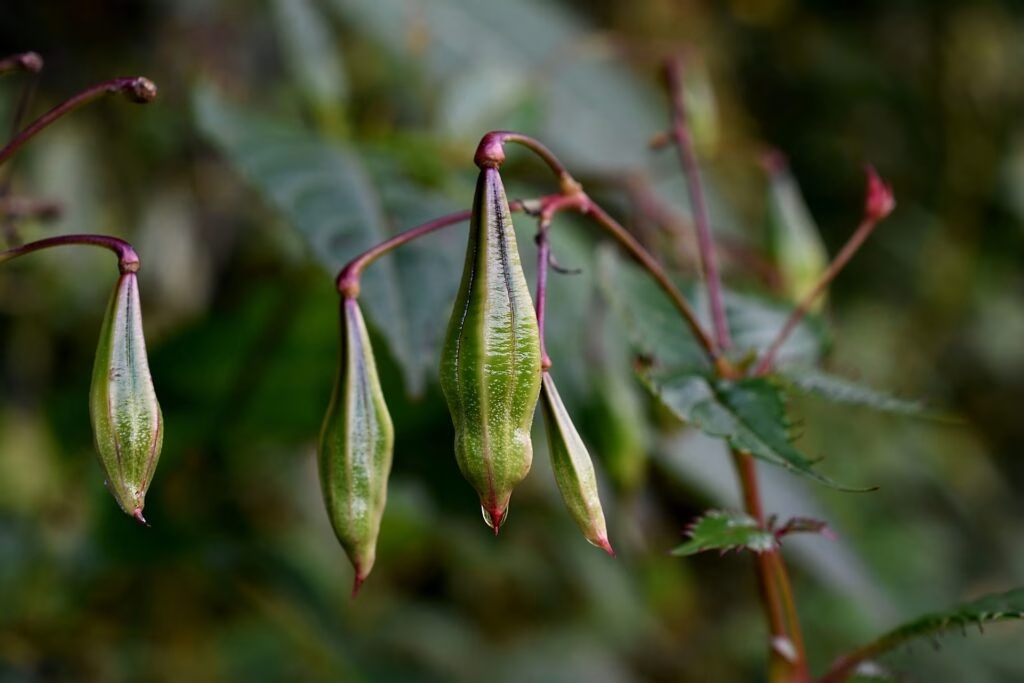
Himalayan balsam (Impatiens glandulifera) is one of the most widespread invasive non-native plant species in the UK. It grows rapidly and forms dense stands that out-compete native plant species, reducing biodiversity and altering habitat structure. Its shallow root systems destabilise banks, increasing erosion, especially after the plants die back in winter. The explosive seed pods allow it to spread aggressively, enabling it to dominate river corridors and wetlands.
How does it grow and why is it so successful?
Himalayan balsam thrives in damp, nutrient-rich soil, making riverbanks and floodplains ideal environments. Each plant can produce up to 800 seeds, which are spread widely through explosive seed pods capable of firing seeds up to 7 metres. Rivers then transport these seeds downstream, colonising new areas with ease. Its ability to grow up to 3 metres tall gives it a significant competitive advantage, shading out other plants and taking over habitats.
Why do we need to remove it and why is catchment work essential?
Managing Himalayan Balsam in small, isolated patches is rarely effective because seeds from upstream populations continually recolonise cleared areas. A catchment-wide approach ensures that control efforts are coordinated from the top of the river system downstream, preventing re-infestation. Removing it helps restore natural habitats, protect riverbanks, and support biodiversity recovery. Long-term, consistent action is essential to prevent regrowth and reduce the seed bank.