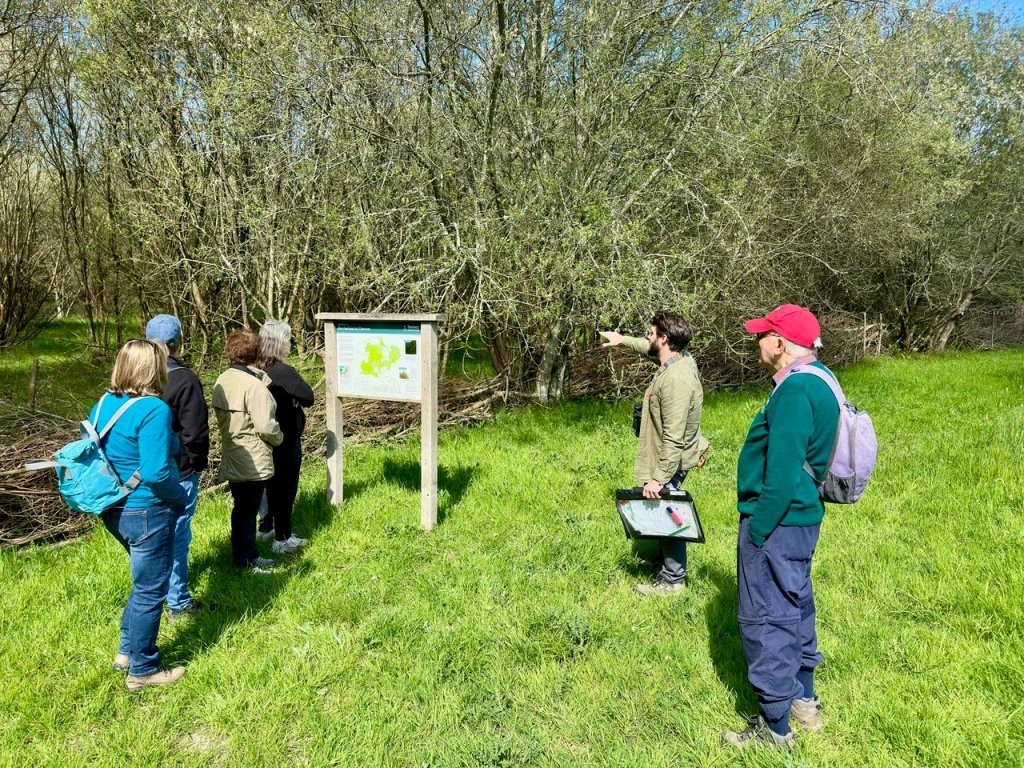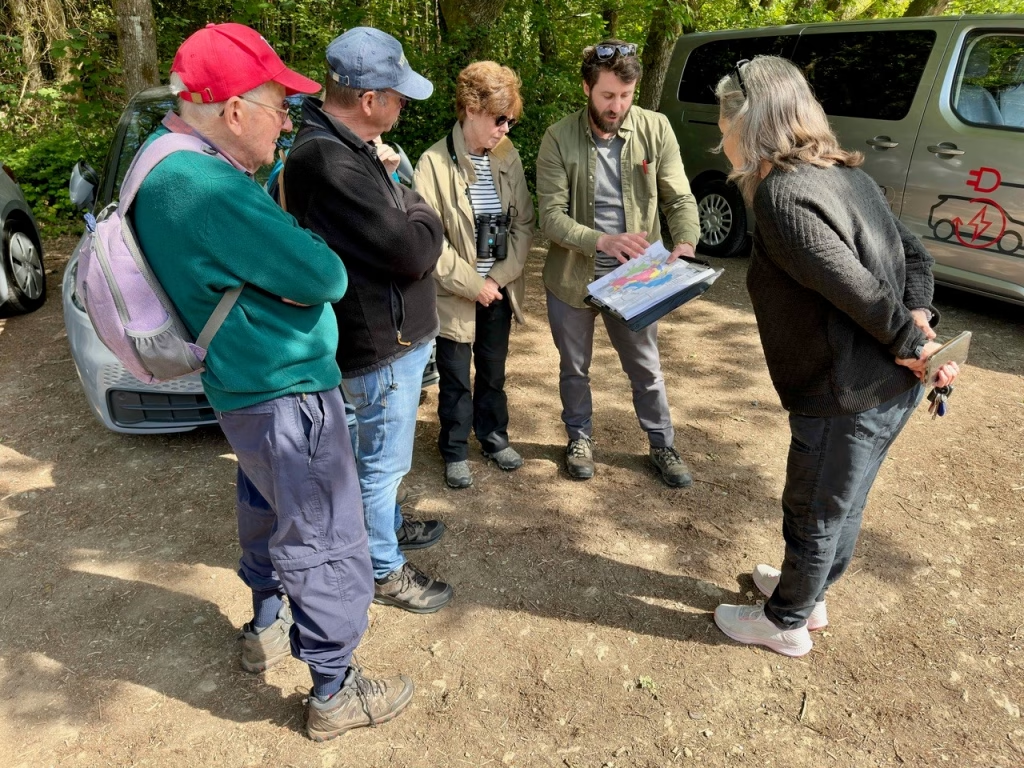
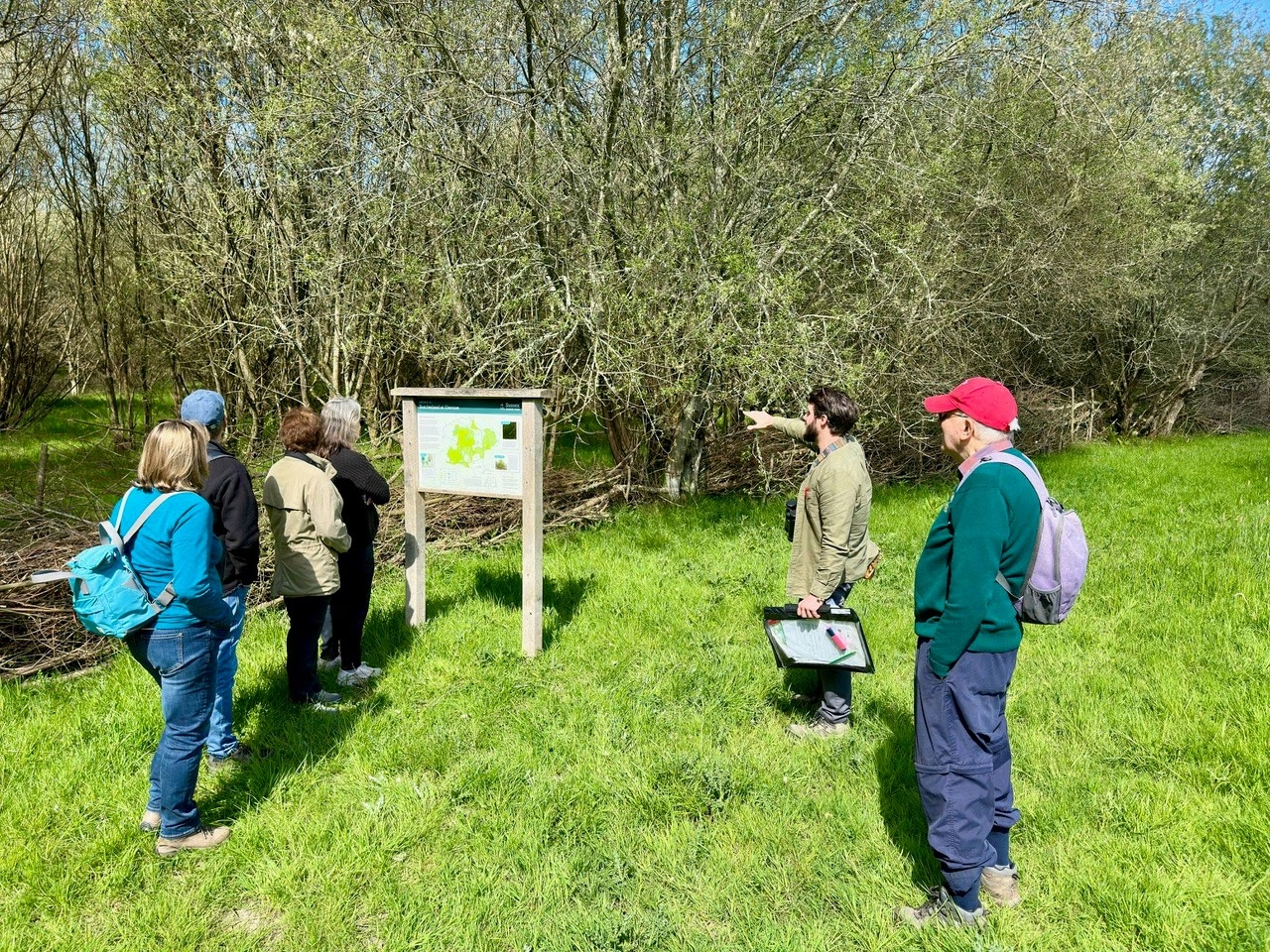
Some of our members recently enjoyed a morning’s guided tour around Butcherlands, part of Sussex Wildlife Trust’s (SWT) Ebernoe Common Nature Reserve. The Group was led by Ryan Allison of the SWT Nature Reserves Team, responsible for the management of all the SWT western reserves. The aim of the tour was to experience the song of the nightingale, and with luck, even catch sight of them.
Nightingales arrive in the UK in mid-April, having flown over 3000 miles from Sub-Saharan Africa. Preferring diverse scrubland habitats with access to open spaces, Butcherlands is just such a habitat. Male nightingales primarily sing at night until they find a mate. Once paired up, the male generally sings at dawn and dusk in order to protect a territory, although they will sing by day too, but perhaps not as vigorously.
Preferring to nest at ground level, or near the ground in dense vegetation, nightingales generally have one brood during the breeding season, consisting of up to five olive-green eggs. The female incubates the eggs for about two weeks whilst the male brings her food, with the hatchlings fledging after a further two weeks.
The nightingale habitat at Butcherlands is in need of some staged management to ensure it continues to suit the needs of this charismatic visitor. As one of the most densely populated nightingale sites in the UK, any planned changes to the environment have to be carried out carefully. Friends of the South Downs has helped to fund this habitat management project, with work being conducted over the next few autumn seasons, once the nightingales have left in late summer.
Highlights of the tour
During the tour, Ryan explained what makes Butcherlands such a great habitat, not just for nightingales but for plenty of other wildlife too. Whilst the group heard numerous nightingales singing, unfortunately a sighting eluded us, hardly surprising since these secretive birds prefer hiding in dense undergrowth. Nevertheless, they clearly favour coming to Butcherlands to breed and consequently funding this project is important.
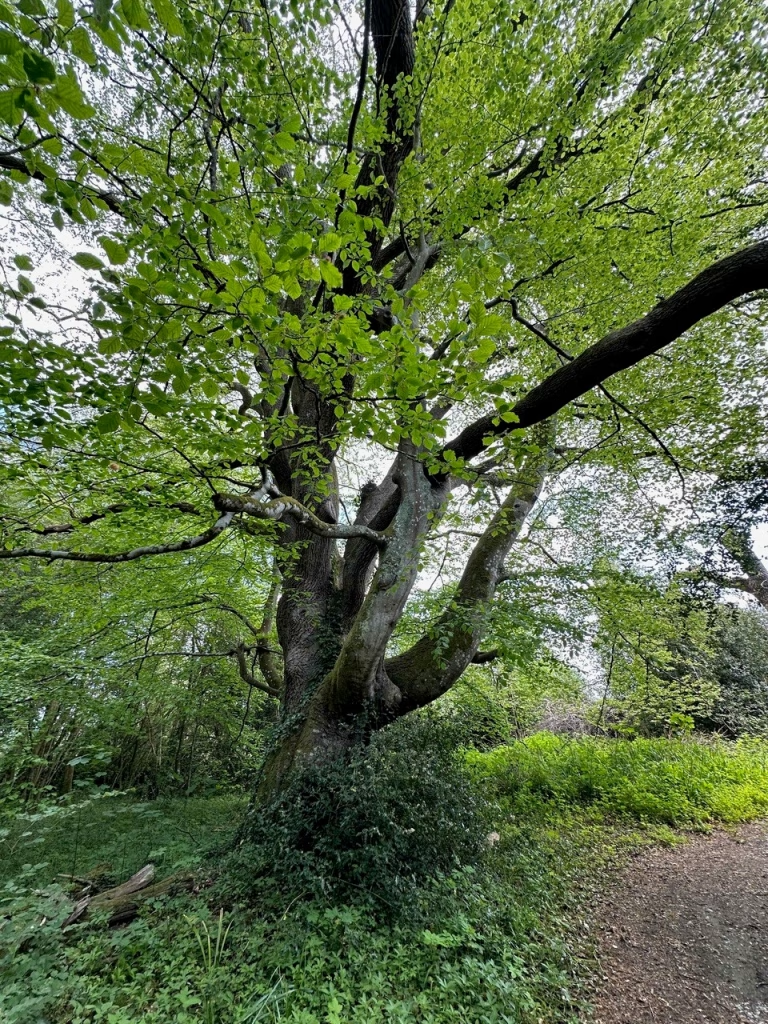
A final treat was Ryan showing the group an oak and beech tree that had grown together over many years. Now a giant, the characteristics of the tree(s) were so confused that is was difficult to tell which was which! Thank you to Ryan Allison and the SWT for guiding us around Butcherlands, nature never offers any guarantees but we will come back.