Ebernoe Wildlands Nature Reserve, which features one of the richest woodlands for wildlife in the South East, is one of Sussex Wildlife Trust’s most important reserves. Alongside Ebernoe Common lies Butcherlands, a rewilding area with management integrated with that of Ebernoe.
Key to the management of these reserves is grazing. Ebernoe Common is an ancient wood-pasture, managed for centuries through traditional woodland management in combination with grazing.
One essential activity, however, is “lookering” – the checking of cattle every day. In an open field this is easy, but in this patchy woodland it can take hours. And this can compromise SWT’s resources to deliver the necessary grazing regime.
SWT endeavour to attach GPS collars to the cattle, emitting signals that can be picked up by a smartphone, allowing their position to be identified, and the wellbeing of all the cattle can be checked easily.
We have funded the purchase of a number of GPS collars, which have helped the conservation team with their essential monitoring duties at the reserve.
Adam Taylor, Senior Ranger and Ryan Allison, Nature Reserves Team, have recently fit new collars at Ebernoe.
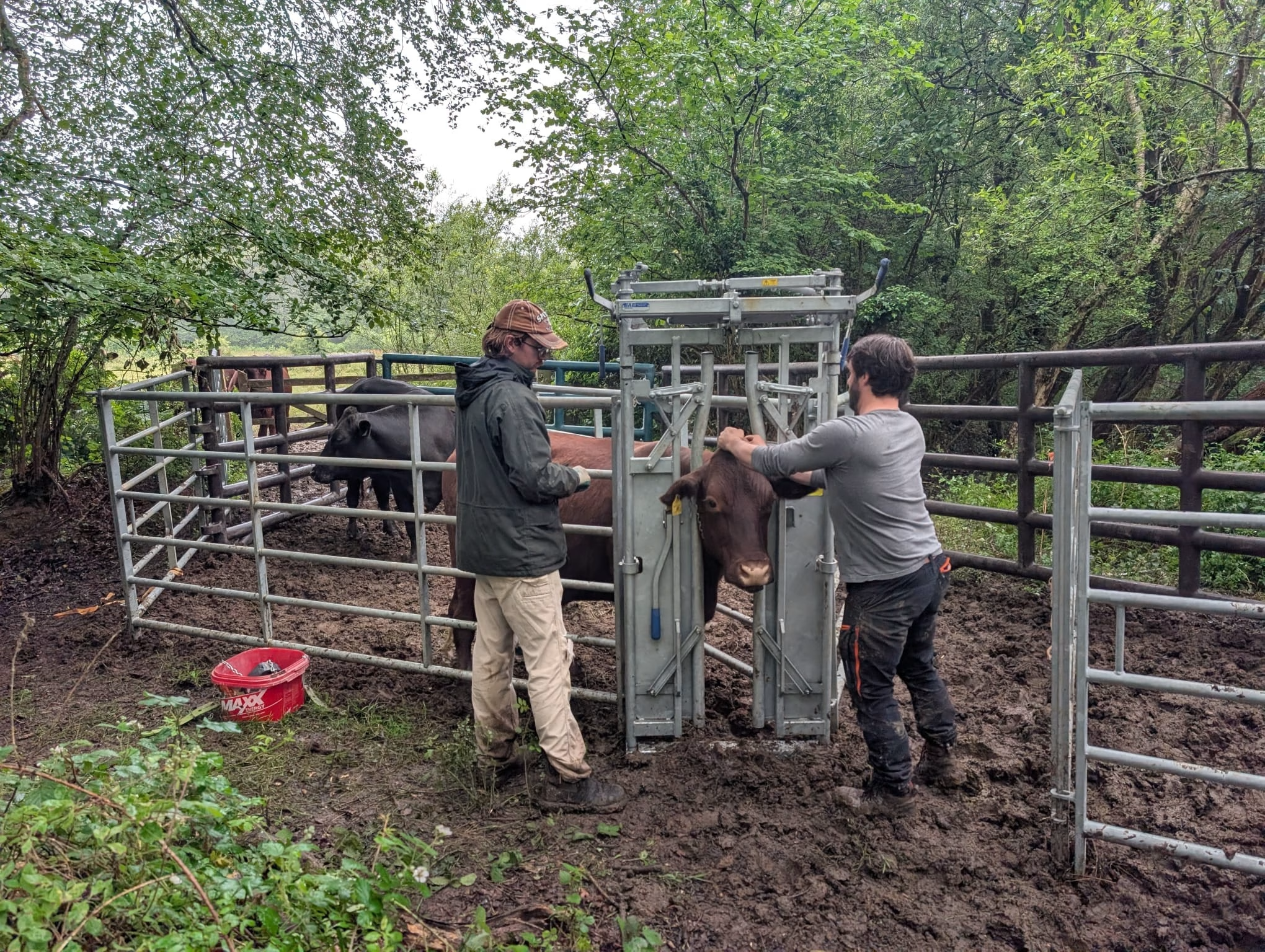
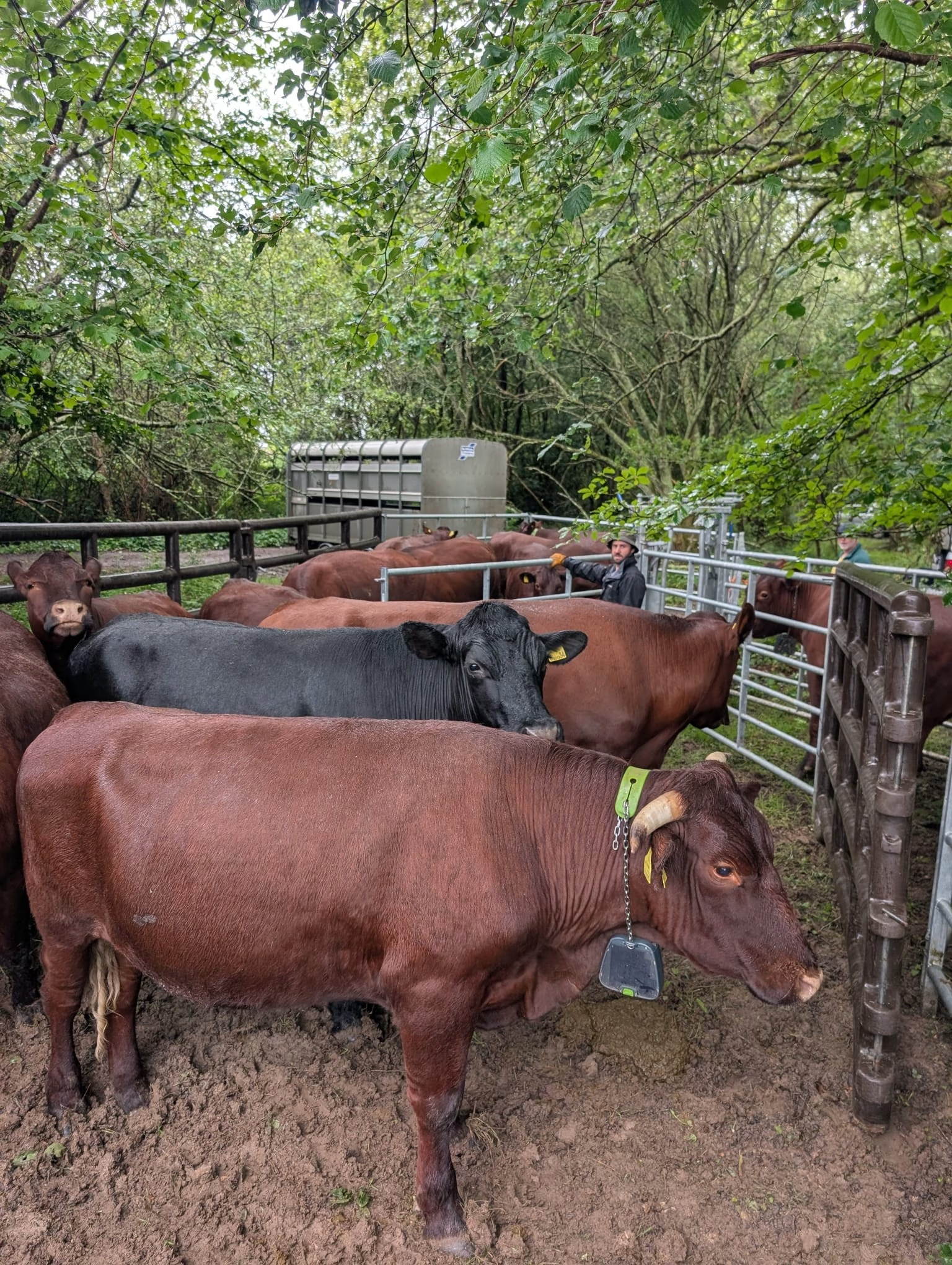
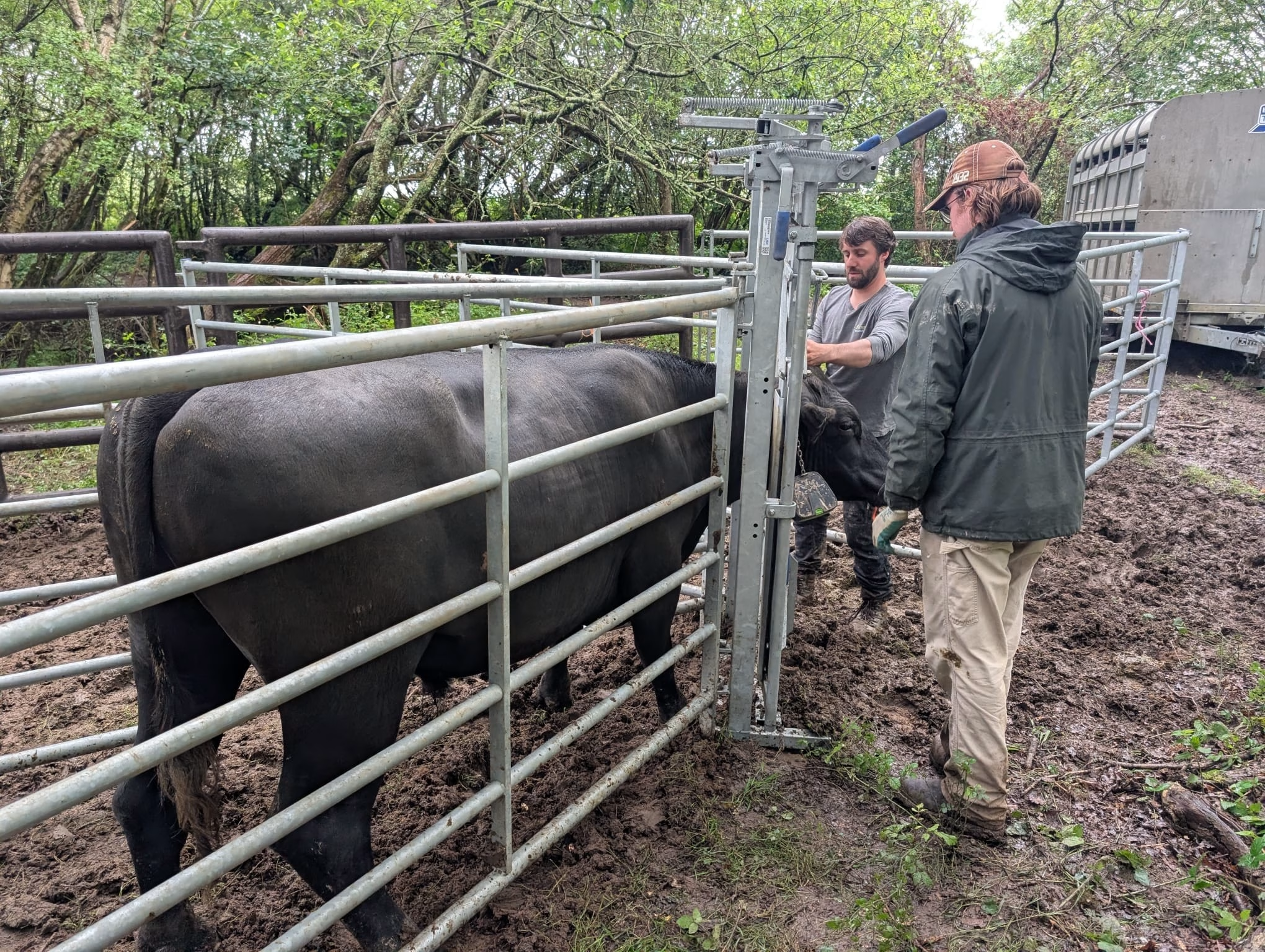
There are currently 18 cattle on Ebernoe, with more due to join later in the summer once most plants have finished flowering. These collars save the team hours of looking for the cattle for regular welfare checks.
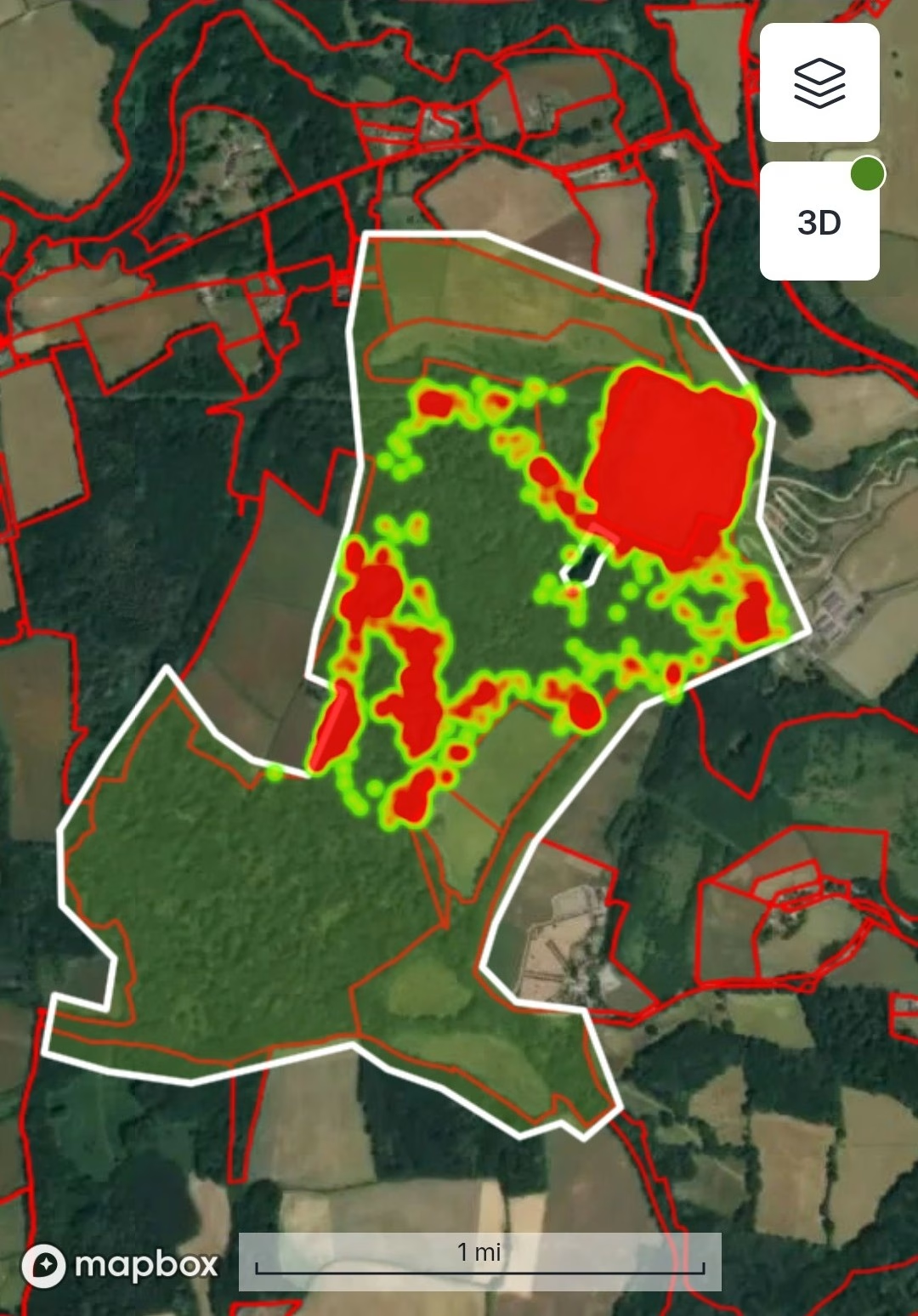
Using the geofencing feature has meant the cattle can be excluded from some of the sensitive floristic areas that are best left alone until later in the season, and increasing grazing pressure in focused areas instead.
The heat map shows where the grazing animals are favouring and helps with planning and monitoring habitat condition to provide appropriate grazing pressure.