
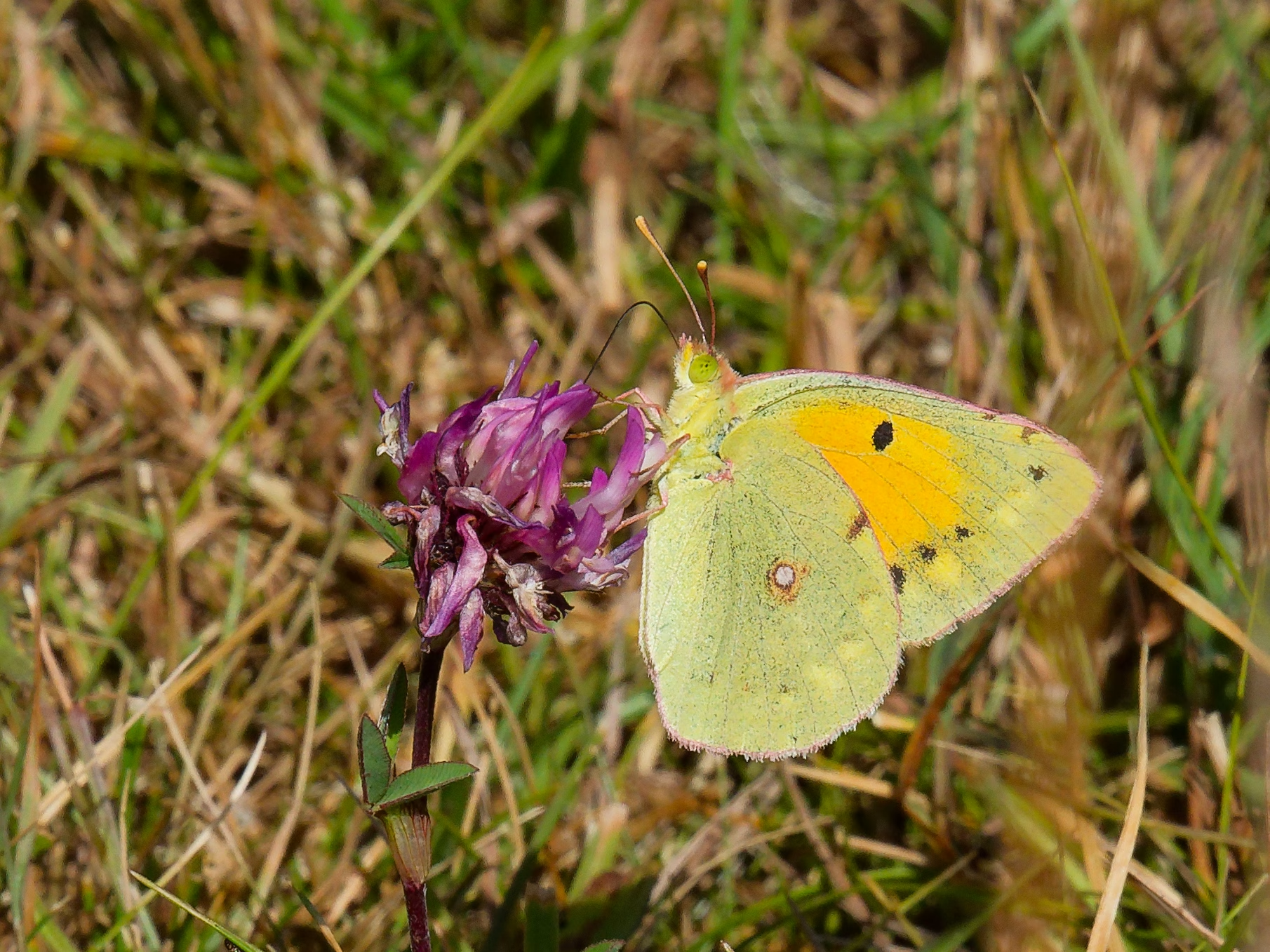
The Clouded Yellow is a striking yellow butterfly in the whites-and-yellows family, a vibrant, migratory species that regularly visits the South Downs from North Africa and southern Europe.
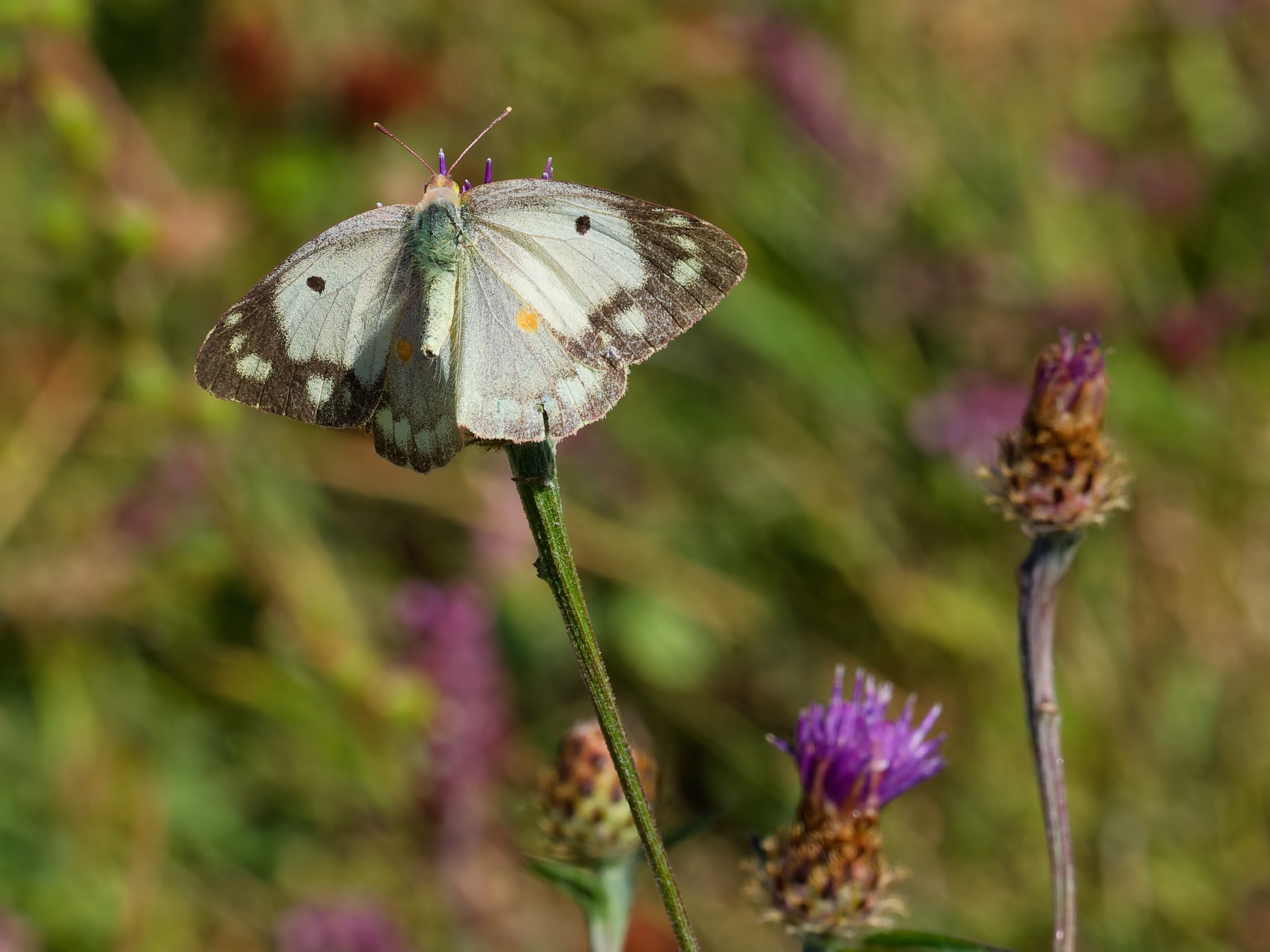
The female Clouded Yellow butterfly features deep orange-yellow upperwings with broad black borders that are distinctively dotted with clear yellow spots. Roughly 5% of females belong to a pale-cream form known as helice (see picture taken on Steyning Downland Scheme July 2026).
The open chalk grasslands of the South Downs National Park provide the perfect UK breeding habitat, rich in wild clovers and bird’s-foot trefoil. Because it is a continuously-brooded migrant, its numbers vary wildly each season. May brings the first influx, while August and September represent the absolute peak to see fresh, British-born generations before they attempt a reverse migration south.
Best Spotting Locations
Because this species gravitates toward open, flowery, and sun-warmed habitats, especially unimproved chalk downland, the downland ridges and nature reserves of Sussex and East Hampshire are ideal hunting grounds. Keep an eye out at these key locations:
• Birling Gap to Beachy Head: Ideal coastal cliffs where newly arrived migrants first land.
• Medley Bottom: A sheltered, warm downland valley near Amberley famed for late-season egg-laying.
• Mill Hill (Shoreham): Well-known reserve managed for rare chalk turf butterflies.
• Chantry Hill & Cissbury Ring: High downland spots offering expansive, flower-rich habitats.
• Magdalen Hill Down: Located just on the western edge of the South Downs near Winchester, this premier butterfly conservation reserve is famous for Clouded Yellow sightings on its warm, south-facing chalk slopes.
• Butser Hill & Queen Elizabeth Country Park: The highest point on the Hampshire Downs offers expansive chalk grassland habitat rich in clovers and bird’s-foot trefoil.
• Noar Hill: Situated near Selborne, this old medieval chalk pit layout is filled with wild flower glades that attract a high density of butterfly species.
• Old Winchester Hill: A sweeping National Nature Reserve further down the Meon Valley featuring the exact type of grazing downland these powerful butterflies seek out.
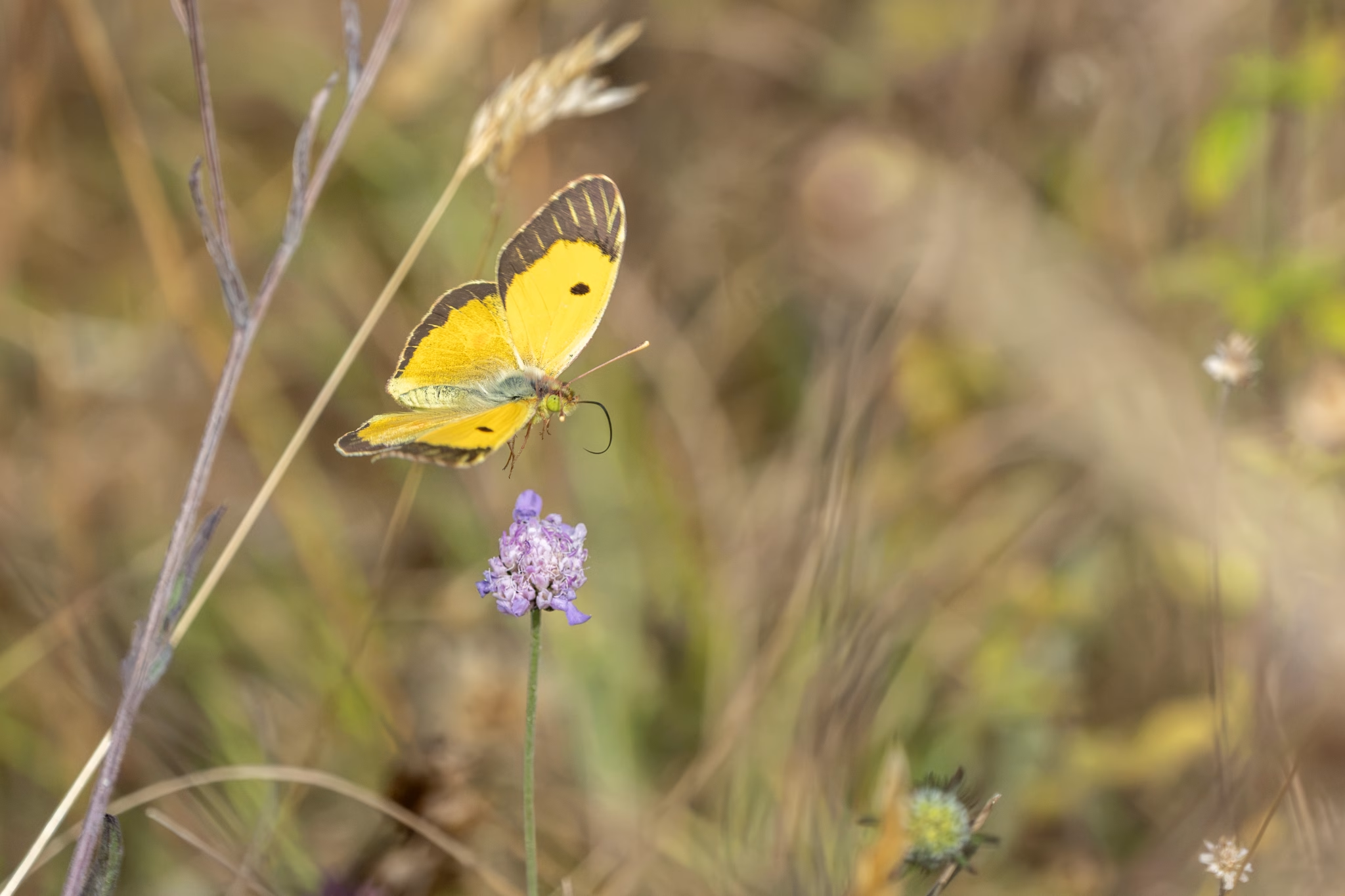
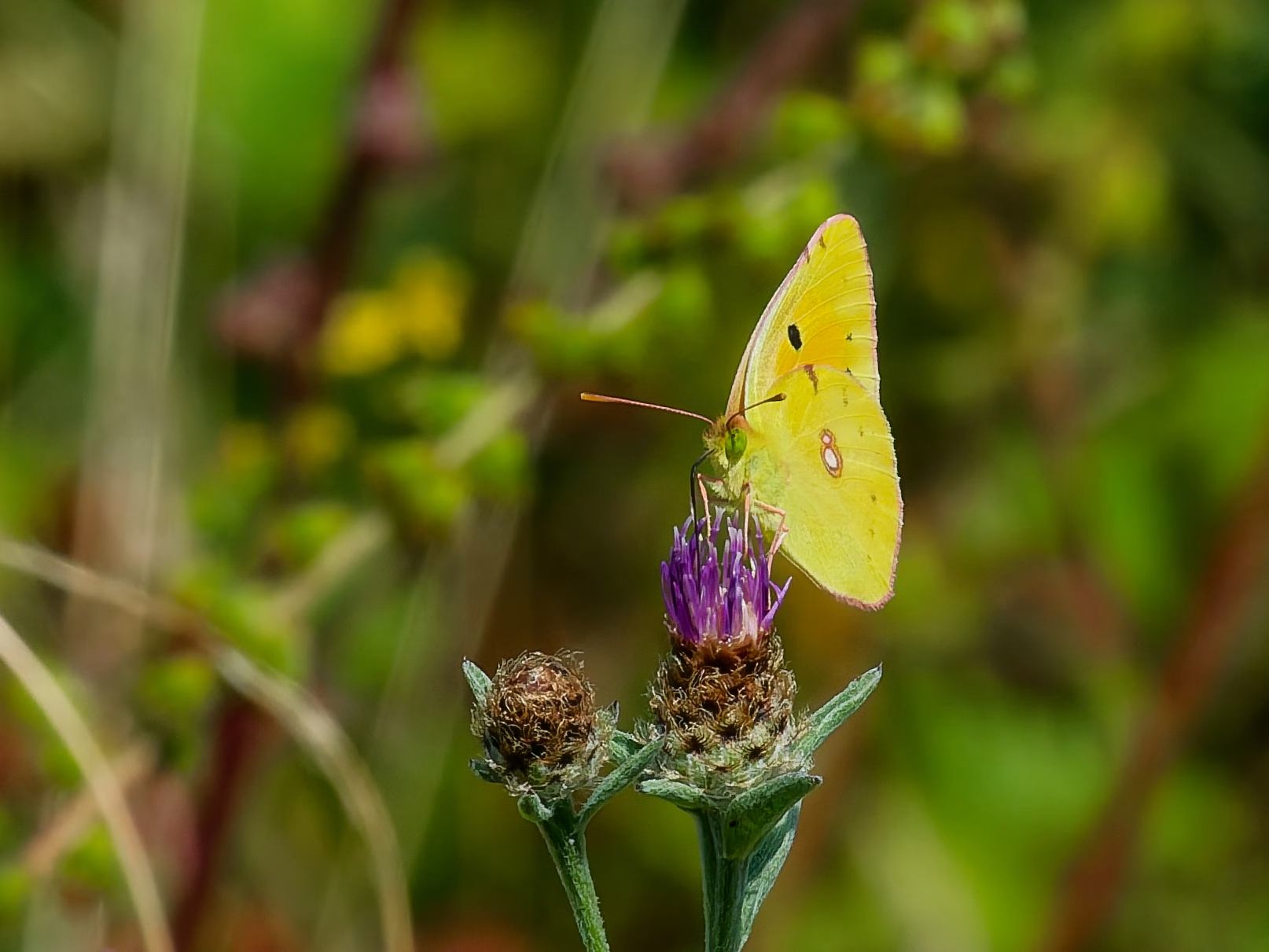
- Appearance: rich golden-yellow/orange upper wings with broad dark margins; the underside is more yellow-green, with distinctive silvery-white spots on the hindwing.
- Size: roughly 5–6 cm wingspan.
- Behaviour: They rarely settle with their wings open. When resting, you will only see the greenish-yellow underside featuring a distinct silver ‘figure-of-eight’ spot. When it flies, the vivid yellow wings and bold dark borders are very distinctive.
- Flight: Fast, restless, and purposeful, often flying low across the grass.
- Habitat: sunny grassland, meadows, farmland, heathland and coastal areas.
- Caterpillar food plants: mainly clovers, bird’s-foot trefoil and related legumes.
- Migration: in Britain it is primarily a migrant arriving from southern Europe and North Africa. Numbers can vary dramatically, with occasional spectacular ‘Clouded Yellow years’.
- When to see it in Britain: generally May–November, although timing varies with immigration and weather.