Posted on

South Downs for All Project in Hampshire Update

After a busy few months of delivering workshops, Chris Hare, Project Manager, and Michael Blencowe, Local Wildlife Expert, reflect on their experiences working with schools across Hampshire.

Visiting Hampshire Schools: Chris Hare, Project Manager

What a busy start to the year we have had with our new South Downs for All Project with Hampshire Schools. Between January and April I delivered eight heritage workshops to our participating schools, while Michael Blencowe delivered workshops on the wildlife of the South Downs.

Six of the eight schools are in the Portsmouth/ Gosport area and many pupils who come from homes with low incomes and other challenging circumstances. The Friends of the South Downs believe it is vitally important that all children, whatever their backgrounds have a chance to experience the beauty of this outstanding landscape and to learn about its abundant heritage, including both history and natural history.

The good news is that both mine and Michael’s workshops have been very well received, with the children showing great enthusiasm and a real desire to learn. At every session we have run, eager hands have gone up in answer to questions from myself and Michael, or to ask us questions. There can be no doubt that we are doing very necessary work in promoting a love and understanding of the countryside and the South Downs in particular.

Wildlife expert leading a presentation on otters to a class of children.
Michael Blencowe, Sussex wildlife expert leading a presentation. https://michaelblencowe.com/. Credit: Mr Lofty
                                                                                                   

However, there was an aspect of these workshops that did rather surprise, even shocked me, and demonstrated the real need for this project. I would start my school sessions by asking the children if they knew what the South Downs were, where they were, and whether they had visited them. Only at one school – Buriton – which is in the heart of the South Downs – were the children able to identify the South Downs, or to even know they were hills. This should be a big wake-up call for all of us: we cannot rest on our laurels and assume that the rising generation will have the same joy and empathy for the downs that we have.

Yet, this should not be taken as a counsel of despair: we are addressing the problem and addressing it very successfully. I would like to share with you some of the feedback we have had from the teacher in the schools and from the pupils.

Man standing at front of classroom delivering a lecture to a group of schoolchildren facing him sat on the floor. Chris Hare, Project Manager. Credit: Samuel Hare

From the Teachers

“Chris had a lovely manner with the children and kept them all engaged throughout the talk. Thank you- it was a great session.”

“Michael was so enthusiastic and shared many of his own experiences with the children. his passion for the wildlife on the South Downs shone through.”

“Chris Hare adapted vocabulary to age of children. He engaged them and took time to listen to their ideas and answer their questions.”

“Michael was absolutely fabulous – he was so engaging and captured the children’s attention with his humour and wit and this made for a very interesting and informative talk.”

From the Children

“It was a fun talk and interesting to learn about the chalk and the flint! Chris was very nice and was really passionate about this topic”.

‘” thought it was fun to learn about different types of animals I didn’t know about, where they live and what they eat and even how fast they can fly or move.”

“I really want to go the South Downs national park now!”

“The man was nice and the facts were nice. I didn’t know about the South Downs before and I liked that he knew about dinosaurs.”

“He was so funny and it was really good fun to listen to him talk about the ants nest which are lumps in the ground. I have actually seen this as I fell over one and they all crawled up my leg!”.

Chris Hare, Project Manager. Credit: Samuel Hare

Michael’s Feedback:

It’s been a real pleasure visiting schools across Hampshire as part of the ‘South Downs for All’ project. I’ve been giving the children an illustrated lesson all about the amazing wildlife that can be found in the South Downs National Park. The children have learned all about Adders, Glow-worms, orchids, Hares, moths and Adonis Blue butterflies and they have been amazed with my tales of the record-breaking Peregrine Falcon and the unbelievable life of the Swift.

For these sessions I have been reunited with Dusty, the stuffed Otter, who is on her last tour of duty before retiring to the Booth Museum. This has given the children a hands-on experience with one of the South Downs rarest resident species. The children have been great and their questions are so much more interesting than the ones I get from adults! “Do Hedgehogs eat Pizza?” “Am I allowed to pick up a Smooth Snake if I’m taking it to the hospital?” and “Is King Charles allowed to keep an Otter as a pet?”

For the Future

Having run the initial workshops, we are now working with our partner schools to arrange visits to our three partner museums: Butser Ancient Village, Weald and Downland Museum, and Gilbert White’s House. It is our good fortune not just to live so close to a wonderful landscape, but also to have three outstanding centres of downland interpretation on our doorstep. This project ensures that children from less affluent areas do not miss out on the opportunity to visit these places.

The South Downs National Park offers grants that help with cost of school transport and school visits. We are encouraging all our partner schools to apply for this funding, as this will allow us to extend what we can offer further to the grant we have already received from the National Lottery Heritage Fund.

To find out more information about the project and to look at the work we have already done with Sussex schools in previous years, please look at our website, www.southdownsforall.org.uk

Chris Hare, South Downs for All Project Manager.

Michael Blencowe, Sussex Wildlife Expert

Posted on

Not Just a Walking Club

I’ll come clean.  My enthusiasm for country walking is what caused me to join the Friends of the South Downs in the first place.  Yes, I was at that stage vaguely aware of the other work we do around the broader issue of conservation but it was definitely the extensive programme of walks and strolls which drew me in.  And, on joining, I quickly learned that the connection between the FSD and putting one boot in front of another on the South Downs was present at the very beginning of the organization, with the legendary walk near Peacehaven in 1923 undertaken by Robert Thurston Hopkins and Capt. Irvine Bately. But it’s not just a walking club.

Not just a walking club east meon george stride
East Meon Stroll / photo by George Stride

In my defence, starting from that narrow base, my increasing involvement with the Friends did result in me better understanding the range and scale of the work undertaken by us to make a reality of our objective of being ‘the only membership organization dedicated to protecting the South Downs’.  But, goodness, since I am a trustee who has just recently been re-elected, it would be more than somewhat embarrassing if I had not significantly improved on my initial ignorance.

However, knowledge sometimes isn’t sufficient to drive home a key realization; it needs to be reinforced by personal experience.  For me, this happened very specifically at Truleigh Hill YHA, just north of Shoreham-on-Sea, in May 2023.  On that day I was privileged to be present at a field trip made by schoolchildren from Herons Dale special needs primary school, and arranged by So Sussex, a company specializing in outdoor educational experiences on the South Downs. 

It was very humbling to observe the excitement and stimulation experienced by the kids, and to understand that this could not have been achieved inside a classroom.  Humbling also to know that this event, and other such trips in So Sussex’s ‘Explorers of the South Downs’ project, would not have happened without funding from the Friends, made possible by a recent legacy left to us.

One of the major themes in our Centenary celebrations is education and understanding, since the FSD believes that one of the key ways we can safeguard the South Downs in the future is to encourage the interests of children and young people.  As a result, Explorers of the South Downs is just one of a number of similarly themed projects we are supporting.

So not just a walking club!  

The Friends of the South Downs is owned and run by its members and there are many ways in which you can help.

We have many volunteering opportunities for people of all ages, abilities, skills and fitness levels; so, if you are able to give up some of your time to help us, you’ll meet many interesting and sociable people who really care and work hard to help protect the landscape and heritage of the South Downs.

We are almost totally reliant on our volunteers in helping us achieve our aims and objectives so anyone offering to become a volunteer is always made very welcome. Here are some of the typical activities you can help us with.

Paul Wilkinson

Trustee

Posted on

A Year in the Life of the South Downs

The Friends of the South Downs are appealing to young people in Sussex and Hampshire to write about the South Downs, either as a short essay or a poem. Chris Hare, project manager for ‘South Downs for All,’ a project funded jointly by the National Lottery Heritage Fund and the Friends of the South Downs, aimed at teaching school students about the heritage of the South Downs, is currently working on a lavish picture book, A Year in the Life of the South Downs, that will show the landscape in all its different forms and moods over a twelve month period.

a year in the life of the south downs
Chris at Cissbury Ring

As Chris explains: “We photographed the downland landscape under the influence of the four seasons, from snow dusted hill tops, through bluebell woods in spring, to summer wheat fields and the red and golden leaves of autumn. We also photographed human activity across the year, such as the World Marbles Championship at Tinsley Green at Easter, to Lewes Bonfire celebrations in November. We have the photographs, all we need now are the words!”

As ‘South Downs for All’ is focused on working with schools, the project team felt that it is the children who should provide the words for A Year in the Life of the South Downs, rather than being written by Chris or other adults working in the field of heritage.

“I could write about the history of the downs for A Year in the Life of the South Downs and the traditional activities that take place there,” Chris explains, “as could many other South Downs authors, but the children are our future and they will be custodians of this wonderful landscape in the years ahead, so we want to know what the feel and respond to the South Downs – landscape and people.

Sheep Fair

Chris says that they are primarily looking at responses from children aged 8 – 12, but they will consider submissions from any school-aged children. Essays and poems should be no longer than 300 words and can be on any theme that has a South Downs connection. To help inspire young writers, the South Downs for All website has a gallery section of photographs, set out under seasonal headings. It is hoped that looking at these photographs will act as a prompt to imaginative thoughts.

Any young person whose work is included in the book will be fully acknowledged, including their name and town or village of residence. They will also receive two free copies of the colour, hard-backed book and an invitation to the launch event which will probably take place in late November this this year.

The photograph gallery can be found here

All entries should be submitted to Chris Hare by 31 May 2023 at chris.hare@friendsofthesouthdowns.org.uk All enquiries about the project should be mailed to Chris at the same email address.

Posted on

Explorers of the South Downs

An exciting initiative has been launched for schoolchildren to explore the nature, history and culture of the South Downs. Schools across West Sussex are being invited to take part in ‘Explorers of the South Downs’, which offers a range of fun activities for young people to connect with the natural world and learn about the National Park.

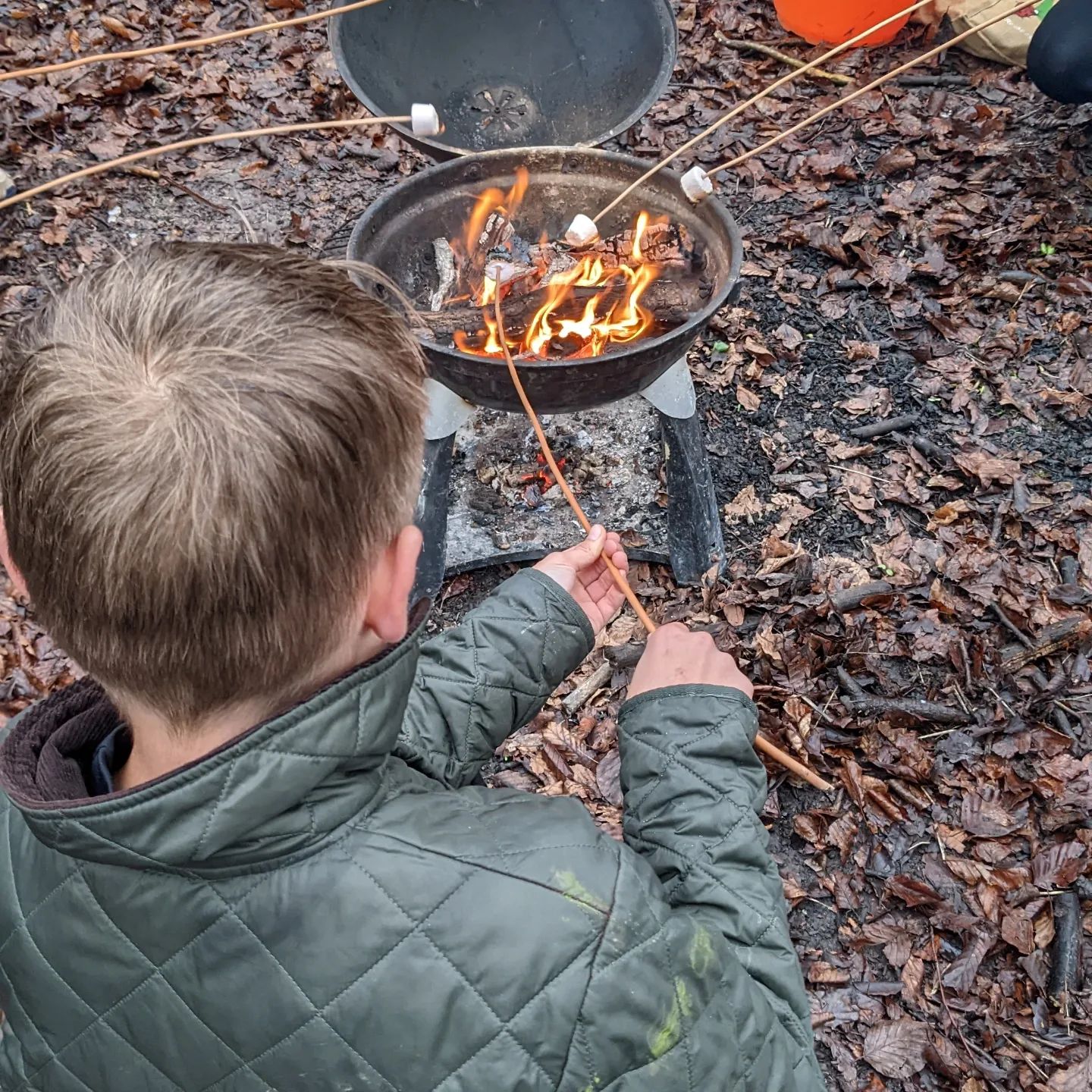
Children will enjoy an outdoor adventure and learn new skills, such as building a shelter, bushcraft, tree identification, bug hunting, mindfulness activities, environmental art, team building and photography – all focused on the landscape, culture and history of the South Downs.

The Explorers of the South Downs project is a partnership between So Sussex, a Sussex-based outdoor education organisation, the South Downs National Park Authority, and Friends of the South Downs, whose generous donation has made the project possible. The aim is to support schools with a significant number of disadvantaged pupils and/or SEND places (Children with Special Educational Needs and Disabilities).

Emma Bruce, Youth and Community Engagement Officer for the National Park, said: “It’s really exciting to be launching this brand new initiative to help connect young people with nature.

“We recently surveyed over 200 schools in the area and all of them believed outdoor learning was good for mental and physical health, while more than three quarters said it raised attainment in children. With Children’s Mental Health Week coming up in February, we couldn’t be announcing this initiative at a better time.

“The National Park is an education resource we want schools to use and enjoy. There are so many opportunities to learn in the great outdoors and that’s what this scheme is all about – giving young people that connection with the environment that will hopefully last a lifetime.”

Andrew Lovett, a trustee of Friends of the South Downs, said: “We are delighted to be able to fund this excellent project. Helping children to understand and love the Downs is one of our top priorities. 2023 is our centenary year and this project is a great way to celebrate.”

Caroline Fleming, who helps to run the Schools Without Walls programme for So Sussex, said: “This is a fantastic opportunity for children and young people to discover and explore the South Downs, to connect to nature and learn about their own local environment.

“At a time when schools are facing increasing financial challenges and school trips are becoming increasingly expensive, this funding for Explorers of the South Downs offers much-needed support and opportunities to ensure equal opportunities for pupils to experience what the National Park has to offer.”

The scheme will run until September and has a range of options, including working with a single class or a year group, as well as activity days and trips in the National Park. Funding is also available to pay for transport if needed. The initiative is open to primary and secondary schools. Any schools interested should contact Caroline at schoolswithoutwalls@sosussex.co.uk or visit www.schoolswithoutwalls.co.uk for more information.