Posted on

Clean Water Now: Environmental groups launch major new campaign ahead of Water Reform Bill

New report urges Government to stop pollution at source, fix the broken water system, and restore nature to England’s rivers, lakes and seas in next generation water reforms

A major coalition of environmental organisations have launched Clean Water Now, a new report setting out the urgent reforms needed in the upcoming Water Reform Bill.

Currently, sewage, farming pollution, and chemicals pollute rivers, lakes, and seas, with just 14% of English rivers in good ecological condition. Habitats are shrinking, wildlife is suffering, and people are getting sick. If Government doesn’t act now, this once-in-a-generation opportunity to change the rules could slip away, leaving England’s waters in decline for years.

The launch of the report marks the start of a new public campaign demanding ambitious action from Government, regulators, and industry. As a first step, campaigners are urging the public to email their MPs, calling them to back strong, enforceable measures to deliver clean water. 

The report sets out three core demands for the Water Reform Bill: 

  • Stop the polluters − clamp down on sewage, restrict intensive agriculture and ban toxic chemical pollution. 
  • Fix the broken system − stop water companies putting profit before people and nature, with a tough new regulator focused on nature and local communities involved. 
  • Restore nature − creating new natural habitats along rivers and coastlines, building natural resilience to climate change and bringing wildlife to communities around the country.
Mark Robinson, Senior Campaigns Manager at WWT, the wetland charity, said: “We are a nation of water-lovers with one, simple message – enough is enough. Now is the time for a plan that matches the reality of the crises facing our waterways, and recognises the essential role of nature in bringing them back to health. If we’re truly to turn the tide on pollution, the government must ensure this unique opportunity to reform the system brings us more water, more wetlands and more wildlife.”

The report argues that years of weak enforcement, regulatory failure, and political delay have allowed pollution from sewage, agriculture, and toxic chemicals to continue while wildlife has declined, and public trust has eroded. It calls for binding national targets, stronger regulators, and regional water authorities with real powers to plan and enforce action at catchment level. 

As Parliament prepares to debate the Water Reform Bill, campaigners say half-measures will no longer be tolerated. Public support for clean rivers and beaches is overwhelming, and communities across the country are demanding change. British waters cannot wait.  Read the full Clean Water Now report here and take action by telling your MP that you expect laws for water that stop polluters, fix what’s broken, and deliver clean water − now.
Home » national parks
Posted on

Coalition calls for Protected Landscapes to benefit from visitor levy

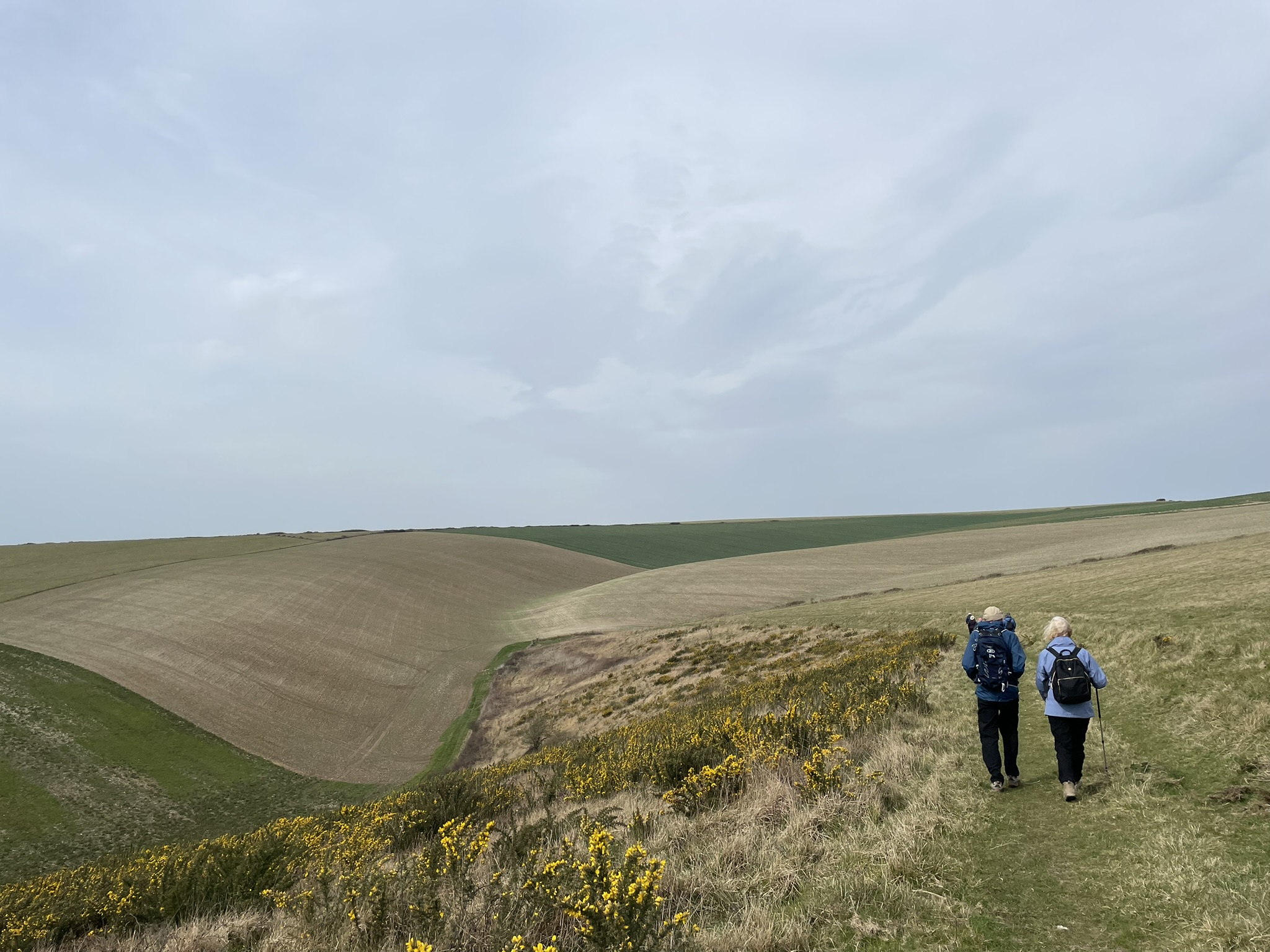
Walkers againsy a backdrop of the South Downs landscape.

Campaign for National Parks has joined forces with protected landscapes bodies, leading environmental charities and conservation societies to call on Government to ensure any visitor levy properly supports National Parks and National Landscapes.

The Government announced plans in November 2025 to bring forward an overnight accommodation levy for Mayoral Authorities, and a consultation on the proposals has just closed. Campaign For National Parks (CNP) are very concerned that Protected Landscapes could lose out under the existing plans and that more emphasis needs to be given to these vitally important places. National Parks and National Landscapes are major drivers of regional tourism and rural economies, attracting millions of visitors each year. At the same time, high visitor numbers can place pressure on these fragile environments and small communities.  

That’s why they’ve  written to Steve Reed, Secretary of State for Housing, Communities and Local Government, insisting that any visitor levy introduced must ensure that revenues raised in and around Protected Landscapes are reinvested locally, with a clear focus on nature recovery and environmental protection.

We have added our name to the letter in support. The letter also calls for National Park Authorities and National Landscapes Partnerships to have a significant role in allocating funds, warning that without proper ring-fencing, money raised from visitors could be diverted elsewhere rather than supporting the landscapes that attract them in the first place.  

You can read a copy of the letter here.

Trustee

Home » national parks

Posted on

Where Cattle Calmly Graze

How we are supporting Sussex Wildlife Trust with essential conservation at Ebernoe Wildlands Nature Reserve.

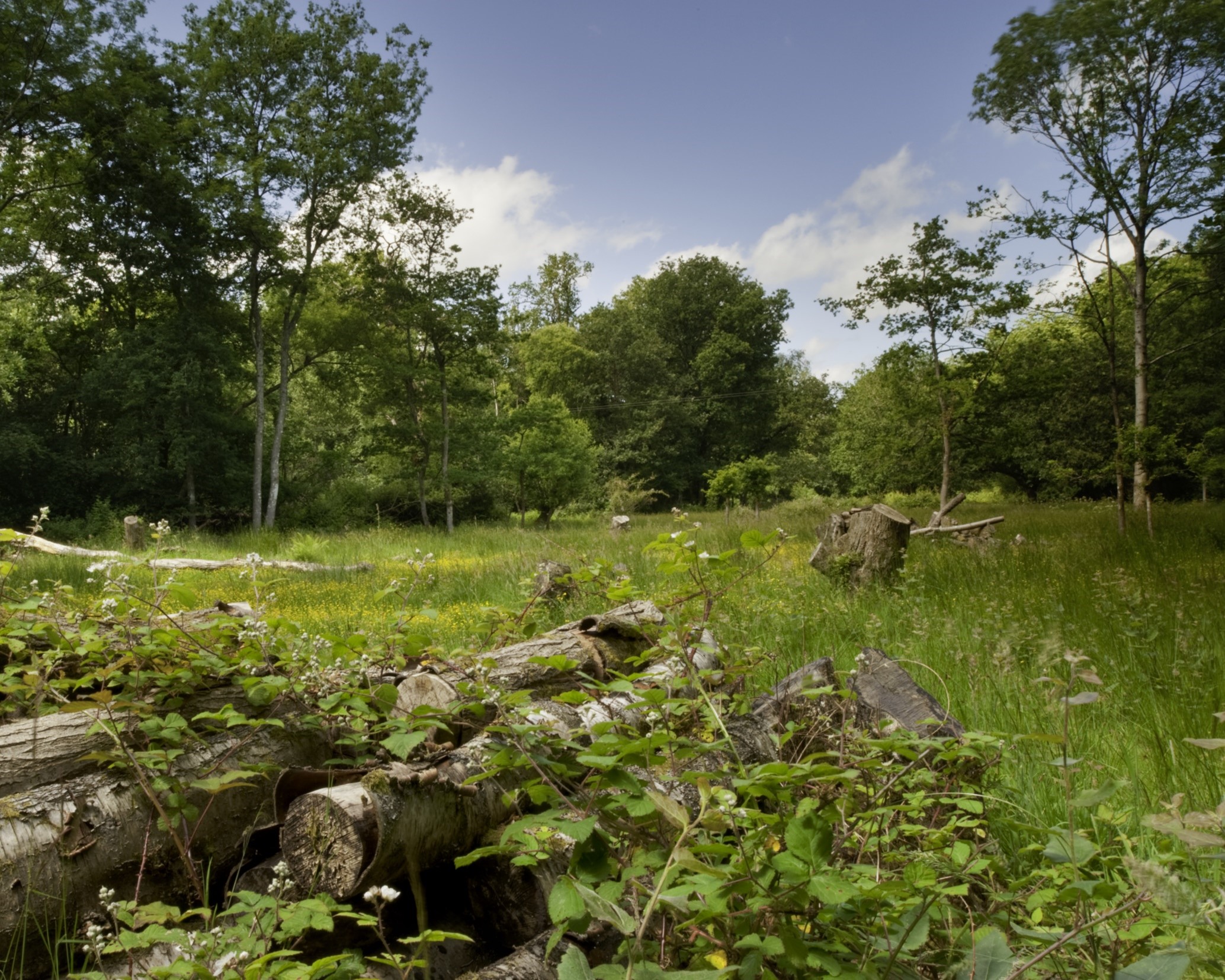
Ebernoe Wildlands Nature Reserve features one of the richest woodlands for wildlife in the South East.  It is a matrix of dense woodland, sunny rides, open glades, and scrubby edges. Barbastelle and Bechstein’s bats, the rarest bats in Europe, make their homes in the dense woodland whilst amongst woodland glades you may spot Purple Emperor, White Admiral and Silver-washed Fritillary butterflies. If lucky, you may see, or hear, birds like Firecrest and Marsh Tit enjoying the kaleidoscope of scrubby habitats.


Ebernoe Common copyright Sussex WT Nigel Symington


This is one of Sussex Wildlife Trust’s (SWT) most important nature reserves.  As such, it is often the subject of targeted nature reserve expansion as they seek to regenerate nature on a larger scale.  Alongside Ebernoe Common lies Butcherlands, a rewilding area with management integrated with that of Ebernoe.

Key to the management of these reserves is grazing. Ebernoe Common is an ancient wood-pasture, managed for centuries through a combination of traditional woodland management and grazing.  What we may call rewilding at Butcherlands is really just a modern take on wood-pasture, so also driven by grazing. Grazing is thus the main factor to create a habitat mixture of incredible diversity, and thus more living space for a greater variety of species. 

Getting the grazing right is vital to maintain this matrix. Too much and the dense woodland reduces, and the bats suffer. Too little and the open glades and rides will disappear as trees shade out the species that thrive in sunlight. So SWT put their cows (“Sussex Reds”) onto the site for carefully planned periods. Just enough to get the balance right!

This works well, and SWT have amassed considerable experience in managing their cattle.  One essential activity, however, is “lookering” – the checking of cattle every day.  In an open field this is easy, but in this patchy woodland it can take hours. This can compromise SWT’s resources to deliver the necessary grazing regime. SWT endeavour to attach GPS collars to the cattle, emitting signals that can be picked up by a smartphone, allowing their position to be identified, and the wellbeing of all the cattle can be checked easily.

Cattle with collar © Sussex WT_ Dav Bridger

It may seem odd that the viability of a grazing project (and so the richness of wildlife on a nature reserve) comes down to a piece of electronic kit hanging round a cow’s neck. Yet this is the case. Friends of the South Downs have seen this as a key point at which our financial support can help. Funding for GPS collars enables SWT to manage their cattle more efficiently (and effectively) and so deliver a great diversity of wildlife at one of the most important nature sites in the South Downs.

And there is something romantic about seeing native Sussex Reds calmly grazing in the dappled shade of an open sunny woodland.  It’s good for Friends to be a part of this project.

Dr Tony Whitbread

Trustee

Home » national parks