On 26th March 2020 the Department for Transport (DfT) published its Decarbonising Transport Report, outlining priorities that it hopes will put the UK on a path towards a net-zero transport system and consequently improve air quality. It says that an important aspect of reducing emissions from transport will be to use our cars less and be able to rely on a ‘convenient, cost-effective and coherent’ public transport network. Whilst the report suggests we should be driving less often, much of the document focuses on the shift towards electric vehicles (EVs). In introducing the report, the Transport Secretary Grant Shapps said
“Public transport and active travel will be the natural first choice for our daily activities. We will use our cars less and be able to rely on a convenient, cost-effective and coherent public transport network.”
Many organisations have picked up on the report welcoming it enthusiastically including SUSTRANS, Living Streets, CyclingUK and Campaign for Better Transport They all say they are looking forward to working with the Government to decarbonise transport.
Click here for the Creating the Transport Decarbonisation Planto go to the Government’s announcement. If you want to read the plan without downloading it, CLICK HERE.
Other Government news on the development of sustainable transport:
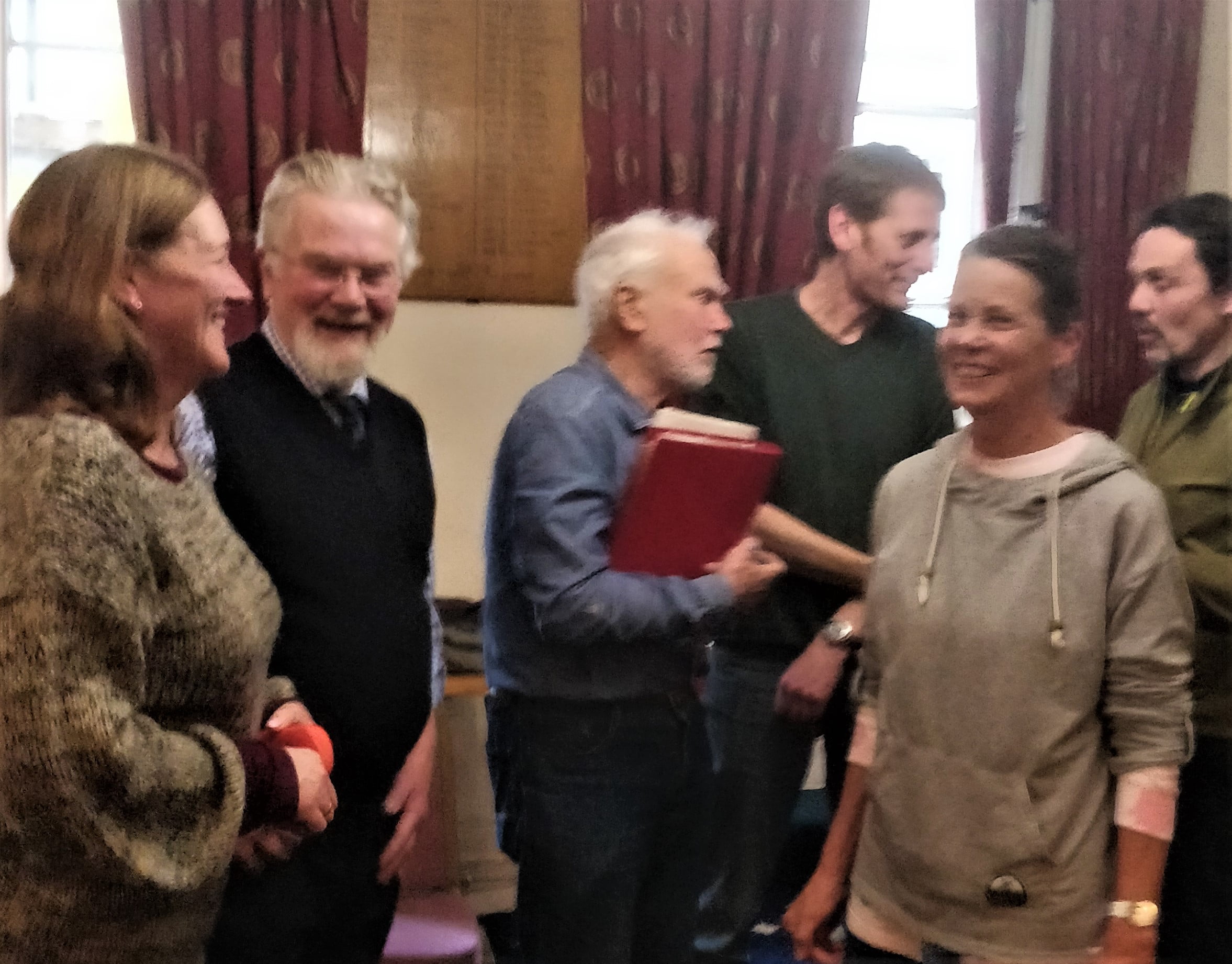
Earlier on in March this year the missing link’ team made up of members of the Friends of the South Downs and SCATE (South Coast Alliance for Transport and the Environment) reached its first milestone in the survey of missing links across the National Park. The team led by Policy Officer Vic Ient, including Society members Robert Self and Mered Harries together with CTC Cycling club members, met with South Downs National Park officers to hand over survey information of numerous missing link locations. Vic Ient said, “I’m particularly grateful to Society member Mered Harries for his work in documenting all the suggestions we have had over the winter months”.
The next stage is for the National Park to analyse the data and produce a digital map so that it can be used as a reference document in the future when applications are made for funding by local groups including parishes, clubs and societies as well as by the highways authority who are responsible for roadworks. Speaking on behalf of the Society and SCATE, Policy Officer Vic Ient said “In the mean time we will continue with the surveys especially in Hampshire and Northwest Sussex where we need more feedback from local parishes and organisations. The intention is that we meet with the National Park when they’ve completed their digital mapping and hopefully help them prioritise and classify the missing links”.
At the meeting with the National Park the Society also raised other issues which have come out of the surveys. The Society hopes to have further discussions about designating and promoting ‘quiet lanes‘ (see also the CPRE guide) where the priority in the lane is one of being ‘shared’ between vehicles, horses, cycles and walkers. We have also raised the importance of the creation of long-distance multi-user pathways which could be particularly beneficial to separating cyclists and walkers away from hazardous busy roads. This theme was taken up by David Sawyer, the Chairman of our Society at a recent meeting with the National Park. He cited the importance of progressing ‘The Rother Way’ in West Sussex. (see also the SUSTRANS guide)
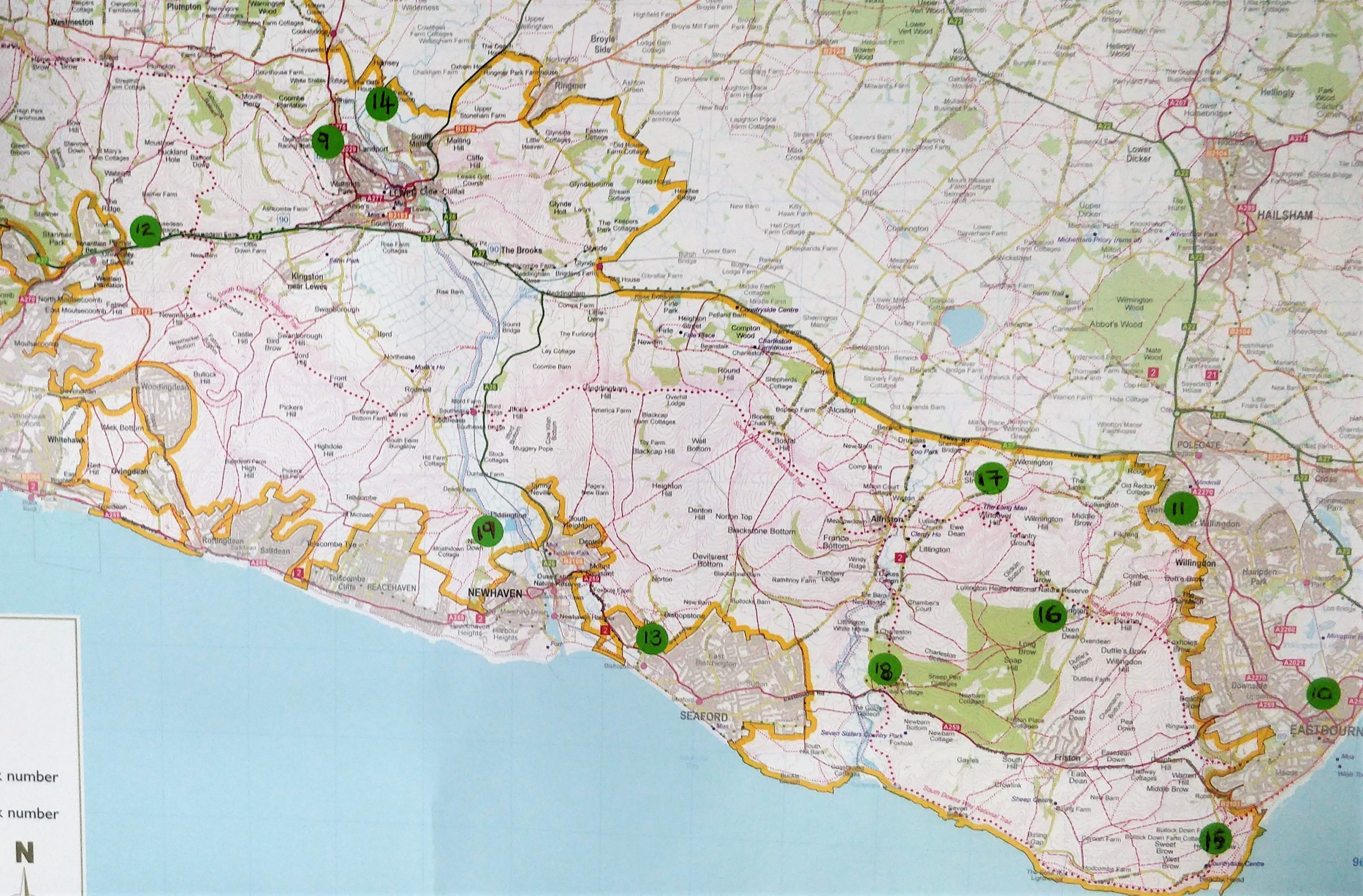
The ‘Missing Link’ Project is aimed at drawing up a list of suitable roads where improvements are needed to make cycling/walking/mobility safer, The objective is to connect up sections of roads to create a fully functional cycle network which will also provide safe routes for walkers and in some cases make provision for mobility users and horse-riders throughout the National Park. These are for both recreational and utility use and if improved would help the National Park encourage ‘modal shift’ and reduce carbon emissions. Once locations have been assessed and mapped it is hoped that campaigning organisations, parish, district and county councils can use the data to help apply for grants to complete some of these missing links. Obviously, the Highways Authorities (County Councils) would have to approve any improvements. However, we are hoping that with the South Downs National Park backing that the ultimate list of identified locations will gain support more easily than multiple ‘ad hoc’ proposals being put forward. Vic Ient, Policy Officer said “Once the National Park has digested our report, we will send out a message as to how people can help with the next stage”.
The average household in the UK emits 2.7 tonnes of CO2 every year from heating their home. The Government’s Committee on Climate Change (CCC) has identified the need to reduce emissions from the UK’s buildings – which made up 19% of the UK’s overall total emissions (2017 data). The government has already declared that we will have to move away gas central heating in new homes constructed after 2025. However that’s not the whole story. The way a house is constructed is very important when it comes to reducing greenhouse gases. The UK was very close to achieving the design of new homes to a ‘net zero carbon’ output in 2016 but the Government backed away withdrawing the regulations. However, since then new evidence has persuaded Parliament to legally commit to the UK achieving ‘carbon net zero’ by 2050. To achieve net zero action will be needed on many fronts including how houses are built.
In the latter part of 2019 the Government consulted on new standards for building regulations (to come into operation from 2025). Our Society took a look at these proposed regulations and found they were only aimed at making a 31% improvement! We decided to make a robust submission to the government asking them to go over ‘carbon net zero by 2025, in just under 5 years. A bold request you might ask? Our Policy Officer Vic Ient studied reports from a number of organisations including the Passivhaus Trust and found that the technology and design capabilities are already available to achieve ‘net zero’ carbon emissions. Click below to see our report and submission:
Is the relaxation of Permitted Development Rights (PDRs) the right way forward to support the deployment of 5G and extend mobile networks?
Report by Friends of the South Downs Policy Officer, Victor Ient
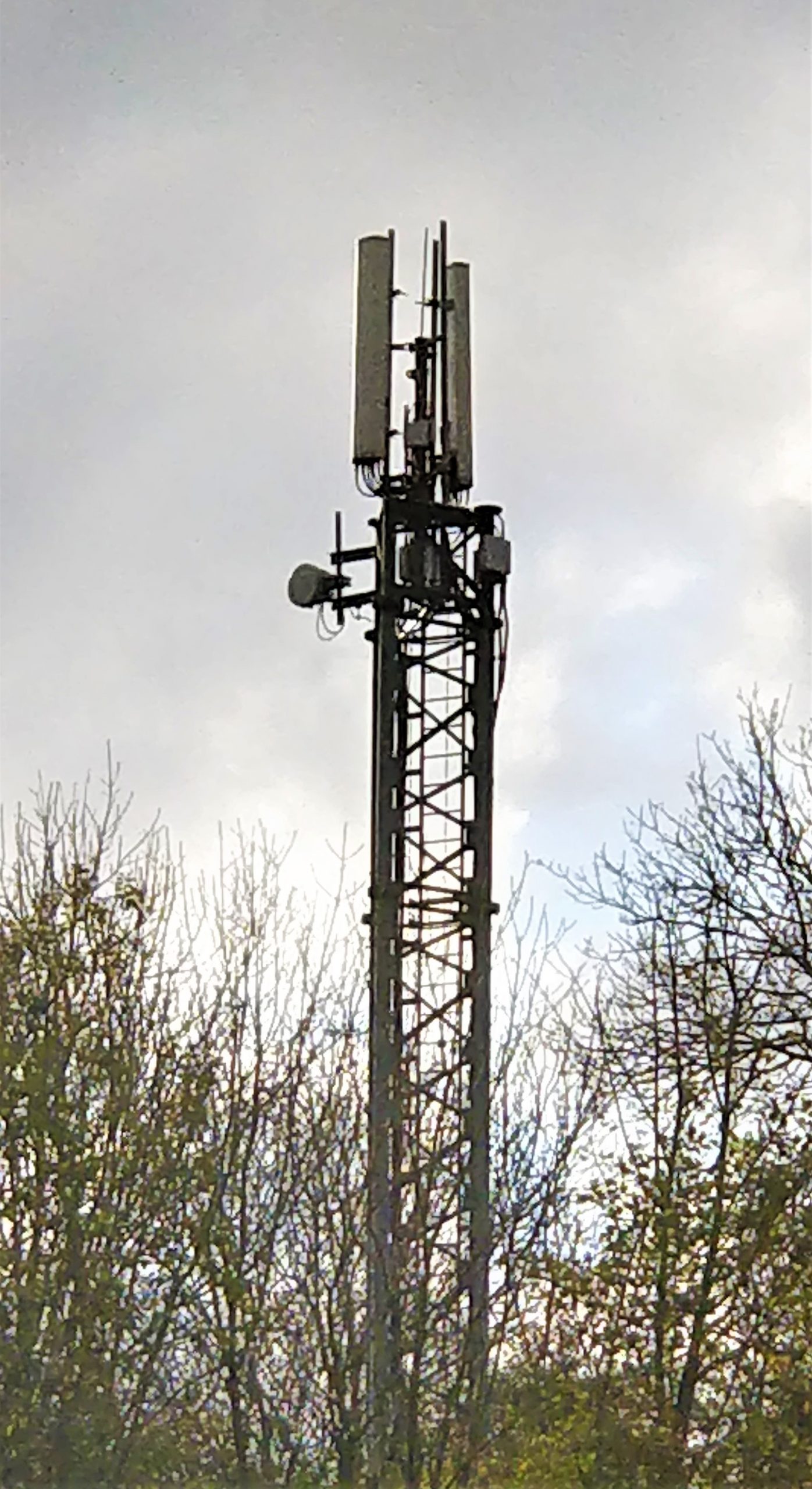
After some considerable research using my own telecommunications experience, updated by consulting engineers currently working in the mobile sector, I have submitted, on behalf of the Society, our opposition to the relaxation of permitted development rights to allow the unregulated installation of many more and taller* mobile phone masts in Areas of Special Landscape Importance including national parks. We believe there is a viable alternative to just simply relaxing the rules. We have put forward a 6 point plan for a less obtrusive deployment to the Government in our submission to the public consultation. Click here to see a copy of what we said: Response to PDRs
*The current restriction on the height of the masts is set at 82ft (25m) but it could be doubled to 165ft (50m) — almost exactly the same height as Nelson’s column.
Telecommunications Clutter in the Countryside
Unfettered development of masts in protected areas will be a disaster for our beautiful countryside. What is the point of providing the highest planning protection for National Parks when the area could be littered with telecommunications clutter? Keeping the planning rules as they are would ensure mobile operators would effectively have to comply with the purposes of the National Parks and protected landscapes.
Lack of Mobile Strategy in the Countryside
Sadly, the government has not previously put forward a strategy for the provision of mobile telecommunications in the countryside. Many of the problems of the 1980s, when mobile base stations were first deployed, still exist today. Figures differ, but it is quite clear that there are many areas where 4G is currently not available.
On top of the surveys already received from organisations and members of the public during the autumn of 2019 another 20 more locations were identified for possible improvements. These locations will be combined into a schedule and once the workshop in Hampshire has been held the results will be presented to the South Downs National Park.
Once locations have been assessed and mapped it is hoped that campaigning organisations, parish, district and county councils can use the data to help apply for grants to complete some of these missing links. Obviously the highways authorities would have to approve any improvements. However, we are hoping that with the South Downs National Park backing that the ultimate list of identified locations will gain support more easily than multiple ‘ad hoc’ proposals being put forward.
Report by Friends of the South Downs Policy Officer Victor Ient
The UK’s new Agriculture Bill has been called “one of the most significant pieces of legislation for farmers in England for over 70 years,” says Judith Tsouvalis* and Ruth Little* on The Conversation website. They continue ‘It could directly affect the livelihoods of 460,000 people and determine the future of the 70% of UK land area (17.4 million hectares) currently under agricultural management. The bill sets out the UK’s approach to farming as it prepares to leave the European Union, replacing the Common Agricultural Policy (CAP) that the UK has been part of since 1973’.
Where are we now?
Whichever side you’re on, Brexit is now happening and that means the government has to put into UK legislation replacements for agricultural and environment policy which the UK signed up to over the years since the 1970s. Quite a task! The government introduced the legislation in 2018 but it was withdrawn because the Brexit Bill had not been passed. Now, the Bill has had its ‘first reading’ in the House of Commons (this was without debate and passed through on 16 January 2020). The next stage will be for the Bill to have its ‘second reading’ (no date yet agreed) and then proceed to the House of Lords and eventually to receive the Royal assent and pass into law.
What are the changes?
The Bill will replace the way the government manage and fund agriculture and the associated environment. In the EU this is via the Common Agricultural Policy (CAP).
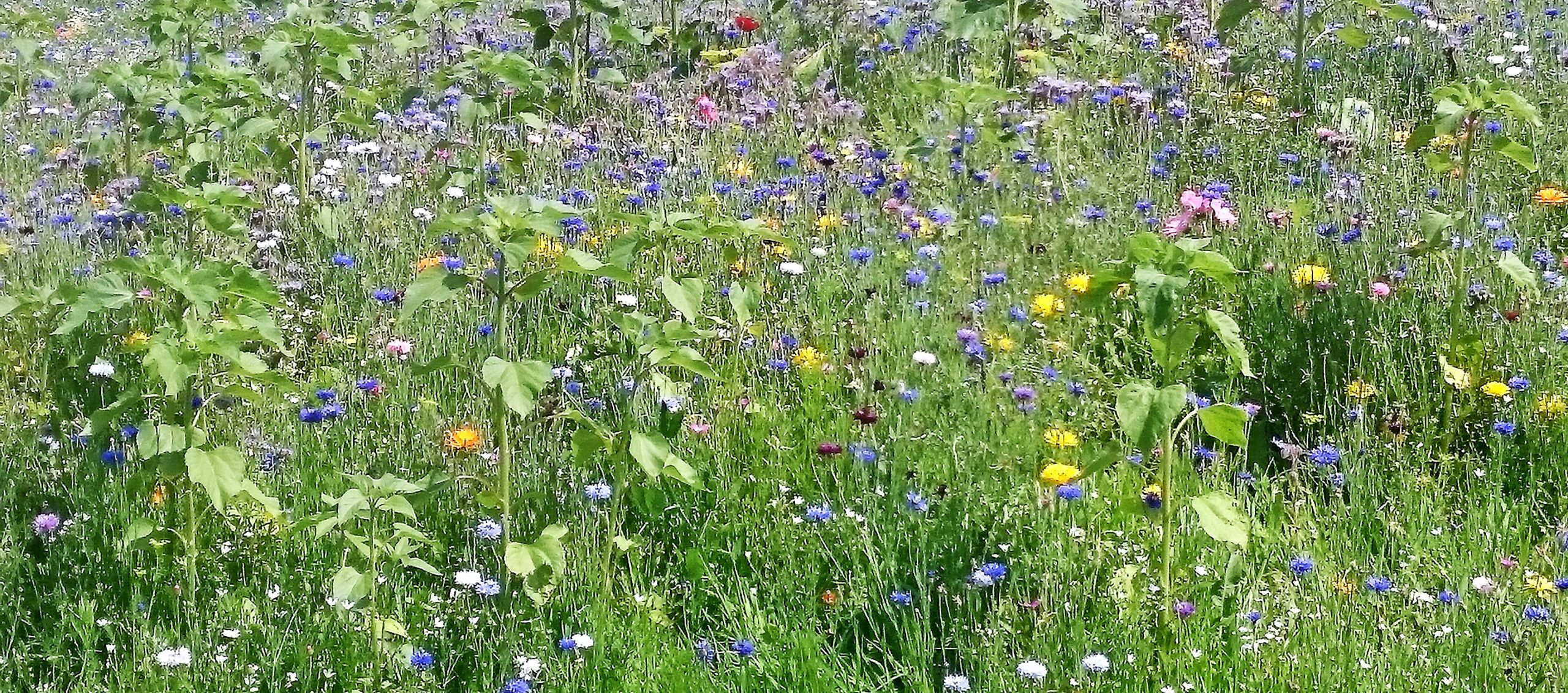
The new agricultual bill could be good for wildlife, bees and other pollinators in the countryside!
In the future, landowners will in future be paid to produce “public goods”. These are things that can benefit everyone but bring no financial reward to those who produce them. Examples are as better air and water quality, higher animal welfare standards, improved access to the countryside or measures to reduce flooding. In doing so the aim is to move the UK one step closer towards ‘a future where farmers are properly supported to farm more innovatively and protect the environment’.
Over the next seven years, farmers will move from the CAP regulations to a new system of Environmental Land Management (ELM). This will detail the terms and conditions under which farmers and land managers will receive funding.
In a notable change from the Bill published in 2018, the government will now provide support for farmers to improve the management of their soil, as recommended in CPRE’s report, ‘Back to the land’. A major step forward! The government will reward farmers who protect and improve soil quality with measures like crop rotation, and give ministers new powers to regulate fertiliser use and organic farming. As Judith Tsouvalis and Ruth Little say, “Landscape-scale solutions to decarbonising agriculture and averting the climate crisis will require huge changes. They won’t be possible without popular support”.
What is not covered in the Bill?
With the EU legislation farmers in this country could rely upon protection against substandard and cheap produce from outside the EU. This Bill provides no cover for such issues.
In the EU programmes of expenditure are agreed on a long-term basis, – usually a five-year programme. In other words the finances are fixed for a set period. Rarely have the UK government used long term financial planning principles. On the other hand the EU does have stable plans in all major policy areas. Such mid and long term planning is based on the Precautionary Principle. It will be interesting to find out how the UK government proposes to replace the CAP subsidies for farming which amount to £3bn a year. This figure includes direct and indirect subsidies as reported by the FT.
* Judith Tsouvalis is a member of the joint DEFRA-Natural England Expert Panel on Social Science Evidence for Improving Environmental Land Management Outcomes. Ruth Little is a qualitative social scientist specialising in agricultural and food-related research. She is a lecturer in Geography at the University of Sheffield and works at the Department for Environment, Food, and Rural Affairs.
The Missing Link – creating an accessible road network in the South Downs National Park
We are pleased to report that the initial survey by SCATE and the Friends of the South Downs (South Downs Society) which kicked off at the end of August last year is now nearing completion. We have had a very good response. A map has been made up and a schedule of comments/suggestions has been tabulated see links below. A workshop is being held in Lewes East Sussex on 25th January 10:30 to 12:30 to review the many inputs from that area. Click here to register for the workshop. Likewise a workshop is planned for Hampshire. Once these are complete we will present our initial findings to the National Park.
Despite completing this first phase more surveys and documentation is need on later responses we have had. Can you help? If so please contact us at enquiries@southdownssociety.org.uk
In 2019 we’re celebrating the 70th anniversary of our National Parks.
It’s 70 years since the 1949 Act of Parliament that established the family of National Parks in England and Wales. Known as Britain’s breathing spaces, National Parks are areas of spectacular landscape which are given the highest level of protection so that everyone can visit and enjoy them.
We need your input – creating a more accessible road network in the National Park
Help us complete that Missing Link! Do you know of a missing road link that is deterring you from walking or cycling in the National Park? If you do read on……….
The Friends of the South Downs (South Downs Society), along with organisations such as CPRE Sussex, Transport Action Network and the Sussex Wildlife Trust support an alliance which aims to persuade local councils, the National Park and the Government to develop safe and sustainable transport as well as better land use in planning. This organisation is titled: SCATE (South Coast Alliance for Transport and the Environment).
Also HERE is a link to see: a) what we said to the National Park at their meeting on the 1st October and b) a link to the scheme we prefer.
What happens next? Here is what Highways England say about future consultations:
All responses and comments received during the public consultation will be considered and summarised in our Public Consultation Report, which will be published on our scheme website. We will carefully consider the responses alongside several factors to determine our preferred route for the scheme.
Following a Preferred Route Announcement, we will develop detailed proposals. This will include further surveys and investigations to allow us to design the scheme in more detail.
There will be a further opportunity to have your say on the design of this preferred route during further public consultation prior to any application for consent.





 On 26th March 2020 the Department for Transport (DfT) published its Decarbonising Transport Report, outlining priorities that it hopes will put the UK on a path towards a net-zero transport system and consequently improve air quality. It says that an important aspect of reducing emissions from transport will be to use our cars less and be able to rely on a ‘convenient, cost-effective and coherent’ public transport network. Whilst the report suggests we should be driving less often, much of the document focuses on the shift towards electric vehicles (EVs). In introducing the report, the Transport Secretary Grant Shapps said
 At the meeting with the National Park the Society also raised other issues which have come out of the surveys. The Society hopes to have further discussions about designating and promoting ‘
 The ‘Missing Link’ Project is aimed at drawing up a list of suitable roads where improvements are needed to make cycling/walking/mobility safer, The objective is to connect up sections of roads to create a fully functional cycle network which will also provide safe routes for walkers and in some cases make provision for mobility users and horse-riders throughout the National Park. These are for both recreational and utility use and if improved would help the National Park encourage ‘modal shift’ and reduce carbon emissions. Once locations have been assessed and mapped it is hoped that campaigning organisations, parish, district and county councils can use the data to help apply for grants to complete some of these missing links. Obviously, the Highways Authorities (County Councils) would have to approve any improvements. However, we are hoping that with the South Downs National Park backing that the ultimate list of identified locations will gain support more easily than multiple ‘ad hoc’ proposals being put forward. Vic Ient, Policy Officer said “Once the National Park has digested our report, we will send out a message as to how people can help with the next stage”.